It’s a scenario every parent knows well—your baby starts fussing, and a pacifier becomes an instant source of comfort. Or perhaps your toddler soothes themselves to sleep by sucking their thumb. These habits are completely natural, but many parents wonder: Will pacifiers and thumb-sucking damage my child’s teeth?
The answer is not always—but timing and intensity matter. In the early years, these habits are generally harmless and can even be beneficial. However, prolonged pacifier use or thumb-sucking past a certain age can lead to dental problems that require intervention.
If you’re unsure whether your child’s habit is cause for concern, you’re not alone. Many parents turn to pediatric dentistry in Eagle Crest St. Pete for expert advice on when to let these habits go and how to make the transition easier.
Let’s break it all down—what’s harmless, what’s risky, and how you can help your child maintain a healthy, beautiful smile.
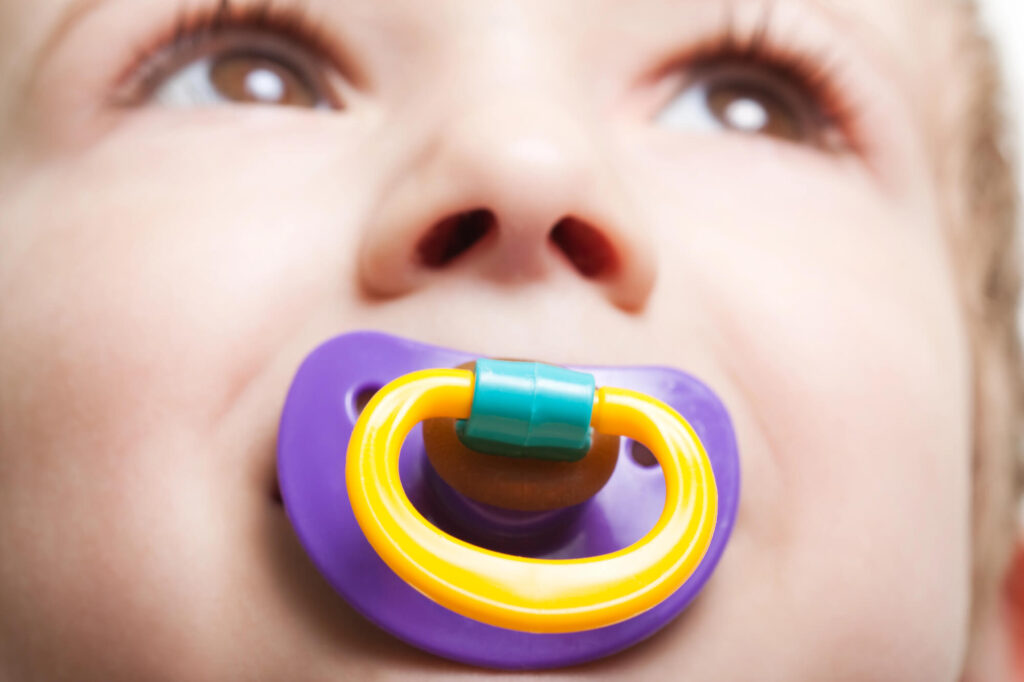
Why Do Babies and Toddlers Suck on Pacifiers or Their Thumbs?
Before discussing potential dental concerns, it’s important to understand why babies suck on pacifiers or their thumbs in the first place.
- Natural Comfort Mechanism: Sucking is one of a baby’s most instinctive reflexes. In fact, many babies start thumb-sucking in the womb as early as 16 weeks gestation! It provides self-soothing, security, and comfort, especially when they’re tired, anxious, or trying to fall asleep.
- Helps With Sleep: Many babies and toddlers rely on sucking to transition into sleep. The repetitive motion helps them relax, similar to how some adults might use a weighted blanket or white noise.
- Reduces Stress and Anxiety: For toddlers, thumb-sucking or using a pacifier can be a way to cope with stress, overstimulation, or new environments. It provides a familiar, comforting action that helps them feel secure.
- Can Help With Early Feeding: Pacifiers, in particular, can be beneficial for preterm infants who need help developing their sucking reflex before transitioning to breastfeeding or bottle-feeding.
Now that we understand why these habits develop, let’s look at when they’re harmless and when they can become a dental concern.
When Are Pacifiers and Thumb-Sucking Harmless?
These habits are generally not harmful to a child’s developing teeth for the first few years of life. Here’s why:
No Major Concerns Under Age 2
If your child is under two years old, thumb-sucking or pacifier use is usually not a problem. Their baby teeth are still developing at this stage, and their jawbones remain flexible. Even frequent sucking doesn’t typically cause long-term dental issues if the habit naturally fades.
Gradual Decline Around Age 3
Most children naturally reduce their reliance on pacifiers and thumb-sucking between ages 2 and 3. If your child starts weaning off the habit at this point, it is unlikely to have any lasting effects on their teeth.
However, if the habit persists past this age, it may start affecting oral development. Let’s explore when it becomes a dental concern.

When Do Pacifiers and Thumb-Sucking Become a Problem?
While early sucking habits are normal, prolonged or intense habits can impact tooth and jaw development.
After Age 3: Possible Changes in Tooth Alignment
By the time a child turns 3 years old, their jaw and baby teeth are forming more structured positions. Frequent and forceful sucking can start to push teeth out of alignment and affect the shape of the palate (roof of the mouth).
After Age 4-5: Risk of Long-Term Dental Problems
If your child is still sucking their thumb or using a pacifier regularly past age 4 or 5, it can lead to more noticeable bite problems and misalignment, including:
- Overbite: The front teeth protrude forward, creating an excessive gap between the upper and lower teeth.
- Open bite: The upper and lower teeth don’t meet when the mouth is closed, leading to speech difficulties and improper chewing.
- Crossbite: The upper and lower jaws are misaligned, which can affect facial symmetry and jaw development.
At this stage, it’s important to start phasing out the habit to prevent long-term orthodontic issues.
How to Help Your Child Stop Pacifier or Thumb-Sucking Habits
If your child is struggling to let go of their pacifier or thumb-sucking habit, don’t worry! Here are some effective and gentle strategies to encourage them to stop:
1. Offer Positive Reinforcement
Praise your child when they don’t suck their thumb or use their pacifier rather than punishing them when they do. Try a reward chart where they earn stickers or small prizes for going without.
2. Identify Triggers and Offer Alternatives
Many children suck their thumbs when they’re tired, anxious, or bored. Encourage them to find other comforting habits, like hugging a stuffed animal, holding a blanket, or deep breathing.
3. Gradually Reduce Pacifier Use
If your child relies on a pacifier, try limiting its use to only bedtime before eliminating it completely.
4. Use Gentle Reminders
For thumb-suckers, try using non-toxic thumb guards, bitter-tasting nail polish, or gentle verbal reminders. Avoid harsh punishments, as they can increase anxiety and make the habit worse.
5. Encourage a “Big Kid” Mindset
Frame stopping the habit as a positive milestone, not a punishment. Let them pick out a new toy or celebrate when they successfully give up their pacifier or thumb-sucking habit.
If your child continues sucking their thumb or using a pacifier past age 5, consult a pediatric dentist for additional guidance.

Pediatric Dentistry in Eagle Crest St. Pete Can Help!
Pacifiers and thumb-sucking are completely normal behaviors in infants and toddlers. In most cases, they’re harmless if phased out by age 3. However, prolonged habits beyond age 4-5 can affect tooth alignment and jaw development, potentially leading to orthodontic issues later on.
If you’re unsure when or how to help your child stop, gentle encouragement, positive reinforcement, and expert advice from a pediatric dentist can make the transition easier. With the right approach, your child can break the habit while maintaining a healthy, confident smile!
At Champagne Dental Care, we specialize in pediatric dentistry, helping parents navigate these common childhood habits. Our compassionate team is here to support your child’s dental health and provide expert guidance to ensure their smile develops properly.
Schedule a consultation today, and let’s keep your child’s smile healthy and bright!