If you have a painful, cracked, or infected tooth, you may be wondering: Can this tooth be saved, or does it need to be removed? This is one of the most common questions we hear from patients, and your comfort, oral health, and long-term goals should always guide the decision.
Some teeth can be preserved with a root canal in St. Petersburg, while others may be too damaged and require an extraction. Neither option is automatically better. It all comes down to the condition of your tooth, the extent of the damage, and what’s right for your smile.
Let’s examine both options closely so you know what to expect and feel more at ease about your next step.
What Causes a Tooth to Become Severely Damaged?
A tooth may become compromised for several reasons. Cavities that weren’t restored in time, a crack or chip from an accident, or infection deep within the tooth’s pulp can all impact its structure and function. These issues can affect the inner tissues, including the nerves, which may lead to pain, swelling, or temperature sensitivity.
In some situations, the tooth still has a stable foundation and can be preserved through restorative treatment. In others, the damage may extend beyond what the tooth can support, making removal the more appropriate option. That’s why timing plays an important role. The earlier your dentist sees the problem, the more choices there may be to protect your oral health and avoid further structural breakdown.
Identifying the extent of the problem usually involves a clinical evaluation and diagnostic imaging, such as digital X-rays. This helps your dentist assess areas that aren’t visible during a routine check. With that information, they can outline your options clearly, explaining what’s possible based on the tooth’s condition.
Root Canal Therapy: Keeping Your Natural Tooth Intact
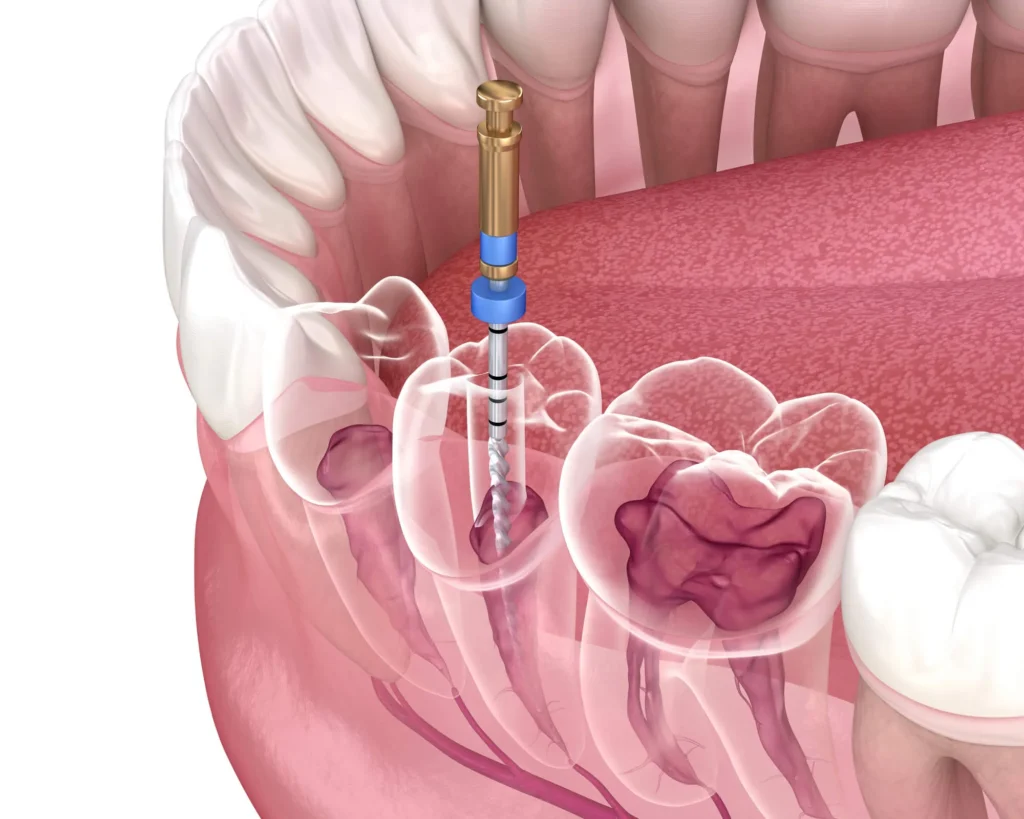
A root canal is designed to clean out infection or inflammation inside the tooth while keeping the outer structure intact. This option is ideal when the tooth can still be restored once the inside is treated.
Here’s how it works: the dentist removes the infected or damaged pulp, cleans and disinfects the area, then seals it to prevent further issues. In most cases, a crown is placed on top to protect the tooth and restore its strength.
Root canals have come a long way over the years. They’re not the uncomfortable procedure they used to be. Thanks to advanced technology, proper numbing techniques, and a gentle approach, having a root canal today often feels similar to getting a routine filling.
Benefits of choosing a root canal:
- Preserves your natural tooth
- Helps maintain normal chewing and bite alignment
- Prevents surrounding teeth from shifting
- Reduces the need for more invasive treatments later on
- Often more cost-effective in the long term when paired with a crown
If your tooth can be saved, a root canal is the most conservative and supportive option.

Tooth Extraction: When Saving the Tooth Isn’t an Option
Sometimes, a tooth is simply beyond repair. If it’s fractured below the gumline, has advanced decay that’s compromised its structure, or has already failed a previous treatment, an extraction may be necessary.
Tooth removal is a straightforward procedure performed under local anesthesia. We also offer calming options for those who feel anxious about treatment.
Although losing a tooth can feel discouraging, it’s not the end of your smile. Many patients go on to have successful, natural-looking replacements with dental implants, bridges, or partial dentures.
Tooth extraction may be the better option when:
- The tooth is broken or cracked beneath the gum
- There’s widespread infection or abscess
- Prior treatments have failed to resolve the issue
- Gum disease has severely weakened the tooth’s stability
- The tooth is causing overcrowding or alignment issues
In some cases, removing a tooth can help protect the health of nearby teeth. For example, when overcrowding leads to shifting or bite problems, extraction can create space and improve overall alignment.
It may also reduce the risk of damage to neighboring teeth that are under pressure from a compromised or misaligned tooth. While the idea of removing a tooth may feel overwhelming at first, it’s sometimes the most practical step toward restoring balance and function to your smile.
How Do Root Canals and Extractions Compare?
Here’s a side-by-side look (without the dental jargon) to help you feel more confident about your options:
Root Canal Therapy Pros:
- Saves your natural tooth
- Preserves your bite and smile alignment
- Minimally invasive with fast recovery
- Reduces future dental issues from missing teeth
Tooth Extraction Pros:
- Can relieve pain and infection quickly
- Useful when the tooth is too damaged to save
- Often simpler and quicker than a root canal
- Can be followed with a restoration such as an implant or bridge
There is no one-size-fits-all solution. We’ll take the time to explain each path, listen to your preferences, and help you decide what best meets your needs.
What Happens If You Wait Too Long to Treat the Tooth?
Putting off treatment might feel like the easier choice, especially if the pain comes and goes, but delaying care often leads to bigger issues. An untreated infection can spread, cause swelling, or even impact your overall health. And if a damaged tooth breaks further, it could mean fewer options later on.
Early treatment gives you the best chance of preserving your tooth or planning a smooth, low-stress extraction and replacement. Waiting rarely makes things easier and almost always makes treatment more complicated and costly.

Do You Need a Root Canal in St. Petersburg?
Whether a root canal or extraction is the next step, you deserve supportive and clear care. At Champagne Dental Care, we never rush the process. We take the time to assess your tooth carefully, discuss your concerns, and explain the pros and cons of each option.
To us, great dental care is about more than clinical skill; it’s about clear communication, mutual respect, and helping you feel comfortable with the choices ahead. Feeling uncertain or anxious is completely normal. What makes a difference is having a dental team that listens, explains, and guides you with care from the first visit to follow-up.
If you’re ready to clarify your next steps, contact Champagne Dental Care in St. Petersburg to schedule a consultation.