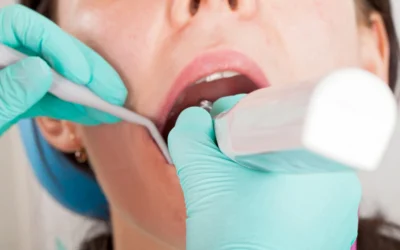
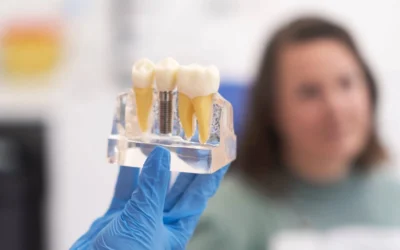
Hearing the words “gum disease” during a dental visit can be concerning. Many people immediately picture surgery as the only solution, which often creates hesitation to proceed with care. The truth is, gum disease can often be managed and improved without surgery—especially when caught in earlier stages.
With professional support, several non-surgical therapies are designed to control bacteria, reduce inflammation, and encourage healing. If you’re looking into gum disease treatment in Imperial Courts, Clearwater, here’s what you should know about the non-surgical options available.

What Is Non-Surgical Gum Disease Treatment?
Non-surgical treatment focuses on controlling the bacterial infection, reducing inflammation, and giving the gums a chance to heal without the need for incisions or more invasive procedures. These therapies are generally recommended for mild to moderate gum disease. However, some options can also support patients with more advanced stages.
Dentists customize the treatment plan based on the severity of the infection and how the gums respond over time. Proven approaches often combine deep cleaning methods with advanced antibiotic therapies, designed to restore gum health as comfortably as possible.
One important benefit of non-surgical care is that it allows patients to begin treatment sooner and with less disruption to daily life. Many therapies can be performed in a single appointment and require minimal downtime, which makes them a practical choice for busy families and individuals.
Effective Non-Surgical Treatments for Gum Disease
Scaling and Root Planing: Deep Cleaning for Gum Health
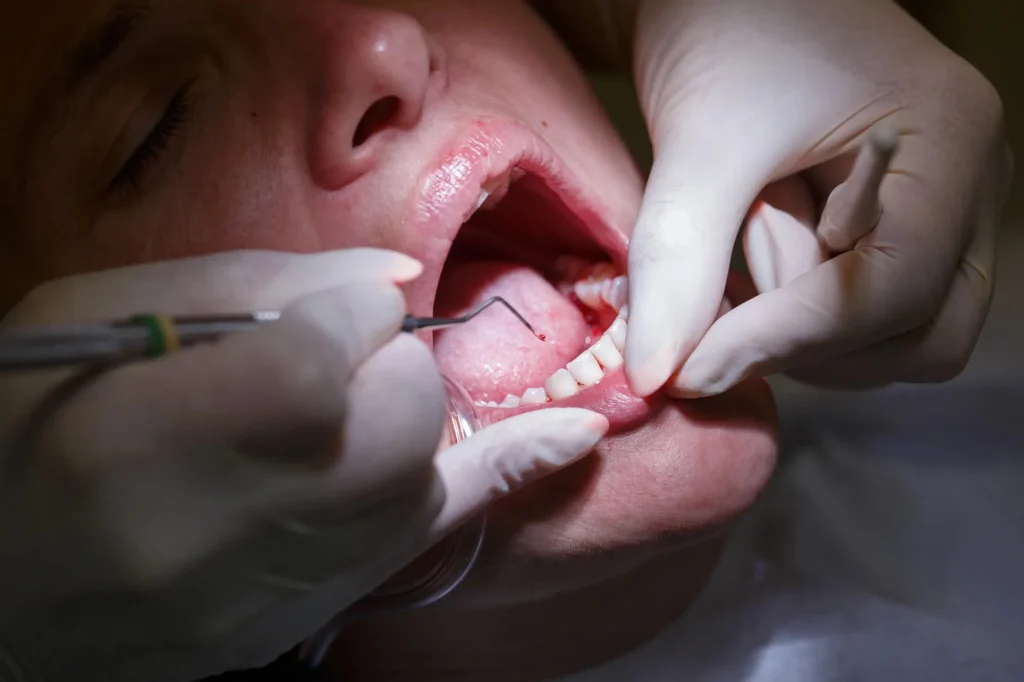
Scaling and root planing is often the first step in non-surgical gum care. This deep cleaning goes beyond what regular brushing or even standard dental cleanings can achieve.
- Scaling removes hardened plaque and tartar above and below the gum line, where bacteria thrive.
- Root planing smooths the tooth roots, making it harder for bacteria to reattach and helping gums naturally reconnect to teeth.
Patients may need local anesthesia for comfort, but the process is safe and effective. Scaling and root planing are often considered the gold standard for gum disease treatment because they target the infection at its source while encouraging the gums to heal.
Depending on the severity of the gum disease, this treatment may require more than one appointment. Follow-up visits help the dentist check how the gums are responding and whether additional support, such as antibiotics, is needed.
Atridox®: Targeted Antibiotic Gel
Sometimes, a deep cleaning needs additional support to fight stubborn bacteria. Atridox® is a prescription antibiotic gel that can be applied directly under the gum line, where bacteria hide.
- The gel slowly releases medication over several days.
- It works to reduce bacterial levels and calm inflammation.
- By staying in place, Atridox continues to protect the area long after the appointment.
This localized treatment is especially helpful for patients who have deeper pockets around their teeth, where traditional cleaning may not reach completely. It gives gums more time to reattach and heal while reducing the risk of bacteria returning quickly.
PerioChip®: Controlled Release for Ongoing Protection
Another tool used in non-surgical care is the PerioChip®. This small, dissolvable chip contains chlorhexidine, a powerful antibacterial agent.
- It is placed into gum pockets after scaling and root planing.
- Over the course of about a week, it gradually releases medication.
- Patients don’t need to remove it, as the chip dissolves on its own.
PerioChip® is often recommended for patients with moderate gum disease. It works as a follow-up measure, ensuring bacteria levels remain low and giving gums a better chance to recover. Because it provides consistent antibacterial action, it can be especially beneficial in areas of the mouth that are difficult to keep clean with brushing and flossing alone.
Tadalafil: Supporting Healing from the Inside
In some cases, an oral medication such as Tadalafil may be considered as part of the treatment. While this medication is more commonly known for other uses, research has shown it can improve blood flow in the gums and reduce inflammation.
- Improved circulation supports the body’s natural healing processes.
- Reduced inflammation helps tissues recover more effectively.
- For certain patients with advanced gum concerns, it may support healing when combined with other therapies.
Tadalafil isn’t used for every patient, but it can complement other therapies and support long-term gum health for the right candidates. Dentists will review medical history carefully to ensure it’s safe before recommending it as part of a treatment plan.
Arestin: Antibiotic Support After Cleaning
Arestin is another antibiotic designed for localized gum treatment. It comes in a powder-like form that contains tiny microspheres filled with medication.
- It is placed directly into the gum pockets after scaling and root planing.
- The microspheres release antibiotics slowly over time.
- This extended action helps reduce bacteria and supports ongoing healing.
Arestin is especially effective as a follow-up after deep cleaning, helping gums stay healthy as they reattach to teeth. Many patients appreciate that it requires no additional steps at home—the medicine works continuously after placement.
Benefits of Non-Surgical Gum Disease Treatment
Choosing non-surgical care offers many benefits:
- Comfortable approach: Less invasive than surgery, which means less recovery time.
- Effective results: Gum disease can be managed and improved if started early enough.
- Personalized care: Treatments are selected based on your specific needs.
- Preserves natural tissue: Encourages gums to heal without cutting or grafting.
- Convenience: Many treatments can be completed during a regular office visit.
For many patients, non-surgical care restores gum health and prevents the need for more complex treatment later.
When Is Surgery Still Needed?
While many people respond well to non-surgical therapies, there are cases where gum disease has advanced too far. Deep pockets that don’t shrink, bone loss, or severe tissue damage may require surgical intervention to fully restore gum health.
Non-surgical treatments are designed to control infection and promote healing, but regular monitoring is important. Ongoing check-ups allow your dentist to determine if gums are responding or if more advanced care is necessary.
Supporting Gum Health After Treatment
Non-surgical therapies are most effective when paired with healthy habits at home. After treatment, patients can support healing and prevent relapse by:
- Brushing twice daily with a soft-bristled toothbrush.
- Flossing gently but consistently.
- Using antibacterial rinses if recommended.
- Avoiding smoking, which slows gum healing.
- Keeping up with routine dental visits for professional cleanings and evaluations.
Following these steps ensures the investment in non-surgical treatment continues to pay off for years.
Restore Gum Health With Gum Disease Treatment In Imperial Courts, Clearwater
Gum disease doesn’t always mean surgery. Many benefit from professional non-surgical treatments that control bacteria, reduce inflammation, and help gums heal naturally. From deep cleanings to targeted antibiotics, there are effective solutions that can restore balance to your mouth.
At Champagne Dental Care, our mission is to provide compassionate, effective dental care tailored to every patient’s needs. Our team believes surgery is not always the first answer. That’s why we offer comprehensive non-surgical options—including scaling and root planing, Atridox®, PerioChip®, Tadalafil, and Arestin—to help restore gum health in the least invasive way possible.
Schedule a consultation with our team today to learn how non-surgical gum disease treatment can support your smile.