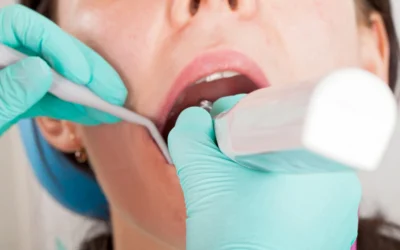
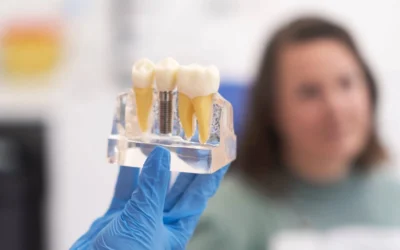
Tooth loss is more common than many people realize. According to the CDC, nearly 1 in 6 adults over the age of 65 has lost all of their teeth, while millions more live with gaps from missing teeth at earlier stages of life. Leaving those spaces alone can cause neighboring teeth to shift and alter the way your bite fits together, which may create uneven wear and additional strain on the mouth.
Dentures made in Imperial Courts, Clearwater, whether full or partial, offer a great way to restore balance and protect oral health. But how do you know which type of denture might suit your needs best?
What Are Dentures?
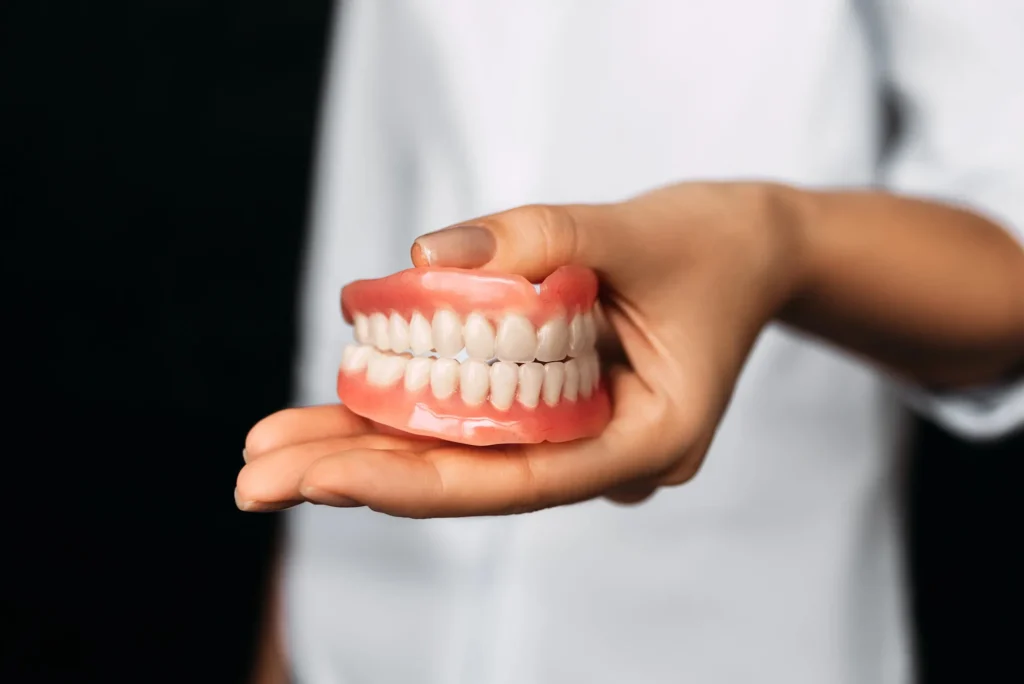
Dentures are removable appliances designed to replace missing teeth and surrounding tissue. While their purpose has remained the same for centuries, their design and materials have advanced significantly. Gone are the days of uncomfortable, unnatural-looking prosthetics. Today, dentures are made with lightweight acrylics and resins shaped to match the color, contour, and bite of natural teeth.
Modern dentures don’t just fill empty spaces; they help maintain the mouth’s function, provide support for facial muscles, and restore a more natural look. They generally fall into two categories: full dentures and partial dentures. Each serves a distinct purpose depending on the number of teeth missing and the condition of the remaining teeth.
Full Dentures Explained
When Are Full Dentures Recommended?
Full dentures are suggested when all teeth in either the upper or lower jaw—or both—have been lost. This may be due to advanced tooth decay, gum disease, injury, or age-related wear. Full dentures provide a complete replacement solution for people who no longer have viable natural teeth to support their bite.
Benefits of Full Dentures
- Complete restoration: Replace an entire arch, allowing the mouth to function as a whole again.
- Facial support: Prevents a “sunken” appearance that can develop when teeth are missing.
- Accessibility: Full dentures are a more affordable way to restore the arch than replacing every tooth individually with implants.
- Custom fit: Crafted to match gum contours and bite patterns, offering a personalized feel.
Considerations
The adjustment period is often the biggest hurdle. Because full dentures sit directly on the gums, some people need extra time to adapt to speaking and chewing comfortably. In certain cases, adhesives may be recommended for stability. Dentures also require routine care and replacement every 5–10 years to maintain their fit as the mouth changes.
Partial Dentures Explained
When Are Partial Dentures Recommended?
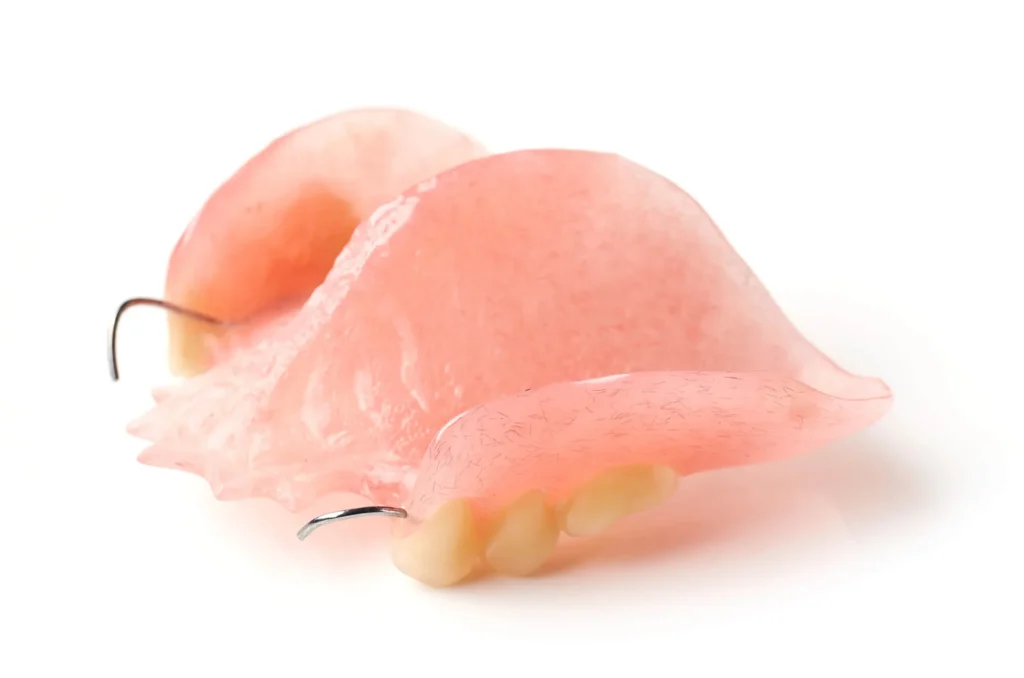
Partial dentures are used when only some teeth are missing and healthy natural teeth remain. These devices fit around existing teeth, filling in the gaps while keeping the bite aligned. They are often recommended when dental bridges or implants aren’t suitable.
Benefits of Partial Dentures
- Preserve natural teeth: Work in combination with existing teeth to restore the bite.
- Prevent movement: Stop neighboring teeth from shifting into empty spaces.
- Comfortable size: Typically smaller and easier to adapt to than full dentures.
- Flexibility: Designed with various materials, including metal frameworks or acrylic bases, to balance comfort, stability, and appearance.
Considerations
Because partial dentures anchor to natural teeth, their fit depends on the health and strength of those teeth. Visible clasps may be a cosmetic concern for some. As the mouth changes over time, adjustments or replacements are often necessary to maintain comfort and function.
Full vs Partial Dentures: Key Differences
Although both types restore missing teeth, they work differently. Here’s how they compare:
- Extent of coverage: Full dentures replace all teeth in an arch; partial dentures fill specific gaps.
- Support system: Full dentures rest on gums; partials attach to existing teeth with clasps or precision attachments.
- Look and feel: Full dentures create an entirely new smile, while partials blend with remaining natural teeth.
- Cost differences: Partial dentures usually cost less than full dentures, though pricing varies based on design and materials.
- Adaptation: Full dentures may require more adjustment since they replace the entire arch. Partials often feel more natural right away.
Understanding these differences helps patients see how each option is tailored to specific needs.
Factors to Consider When Choosing
Choosing between full and partial dentures depends on a few important factors:
- Number of teeth missing – Full dentures are recommended for complete loss; partials are suited for filling gaps.
- Condition of remaining teeth – If the remaining teeth are weak or compromised, full dentures may be the longer-term choice.
- Lifestyle needs – Some people prefer partial dentures for convenience, while others want the stability of a full arch replacement.
- Future planning – Patients who start with partial dentures may transition to full dentures if more teeth are lost later.
- Budget considerations – Partial dentures can be less expensive initially, but both require periodic replacement.
A consultation with the dentist helps identify which option fits best for each individual situation.
Caring for Your Dentures
Dentures last longer and remain more comfortable with proper care. Here are the key steps:
- Clean daily: Brush dentures with a soft brush and non-abrasive cleanser.
- Soak overnight: Place them in a denture solution to maintain shape and freshness.
- Handle carefully: Dentures can break if dropped, so hold them over a towel or sink filled with water.
- Maintain oral health: Even with dentures, gums and any remaining teeth should be brushed and flossed daily.
- Schedule regular visits: Routine checkups allow adjustments, identify wear, and keep the fit comfortable.
Common Questions About Dentures
How long does it take to get used to dentures?
It varies, but most people adjust within a few weeks. Practicing speech and eating softer foods at first can help.
Will dentures affect how I speak?
Some words may initially feel harder to pronounce, but with practice, most patients adapt quickly.
How often should dentures be replaced?
On average, every 5–10 years. The mouth changes over time, and new dentures ensure comfort and function.
Can I sleep with dentures in?
Dentists usually recommend removing them at night to give the gums rest and allow for proper soaking.

Interested in Dentures made in Imperial Courts, Clearwater?
Full and partial dentures both offer effective ways to restore missing teeth, but the right choice depends on your oral health, lifestyle, and long-term goals. Whether you need a complete set or just a few teeth replaced, dentures can protect your smile and help maintain balance in your mouth.
At Champagne Dental Care, our mission is to deliver compassionate, professional care tailored to every patient. Schedule a consultation today and let us help you find the denture option that’s the best fit for your smile.