If you’ve ever visited the dentist, you’ve likely had dental X-rays taken at some point. They’re a routine part of oral health care, but many patients question their necessity and safety. After all, the idea of radiation exposure—even in small amounts—can be a little concerning. But here’s the good news: dental X-rays are extremely safe and offer significant benefits.
If you’re searching for high-quality general dentistry in Clearwater, FL, understanding how dental X-rays work and why they’re needed can help you feel more comfortable at your next appointment.
Let’s break it down and answer all the common concerns about dental X-rays, their role in your oral health, and why they’re a crucial tool for your dentist.
Why Are Dental X-Rays Needed?
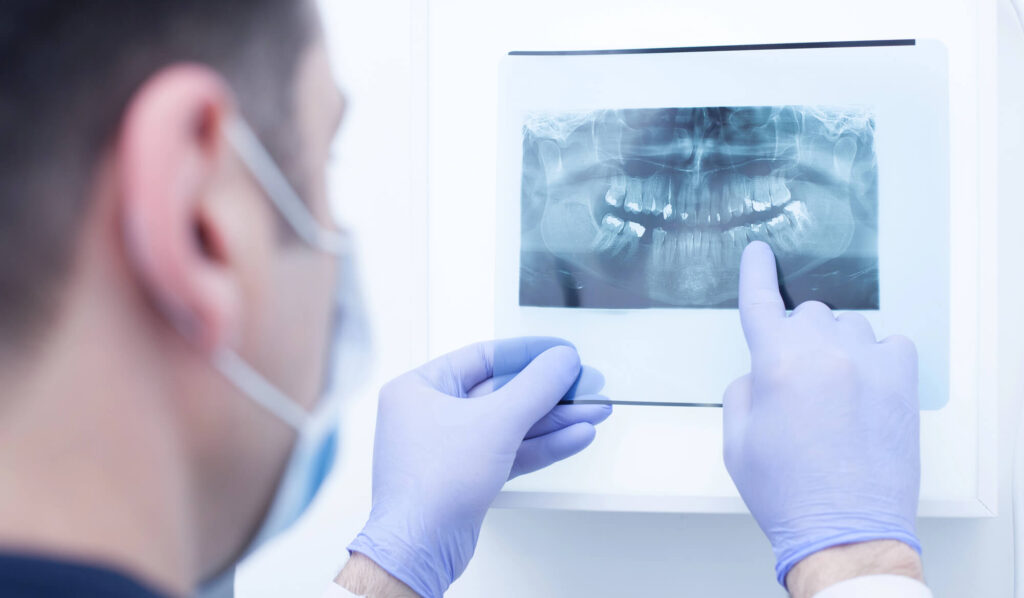
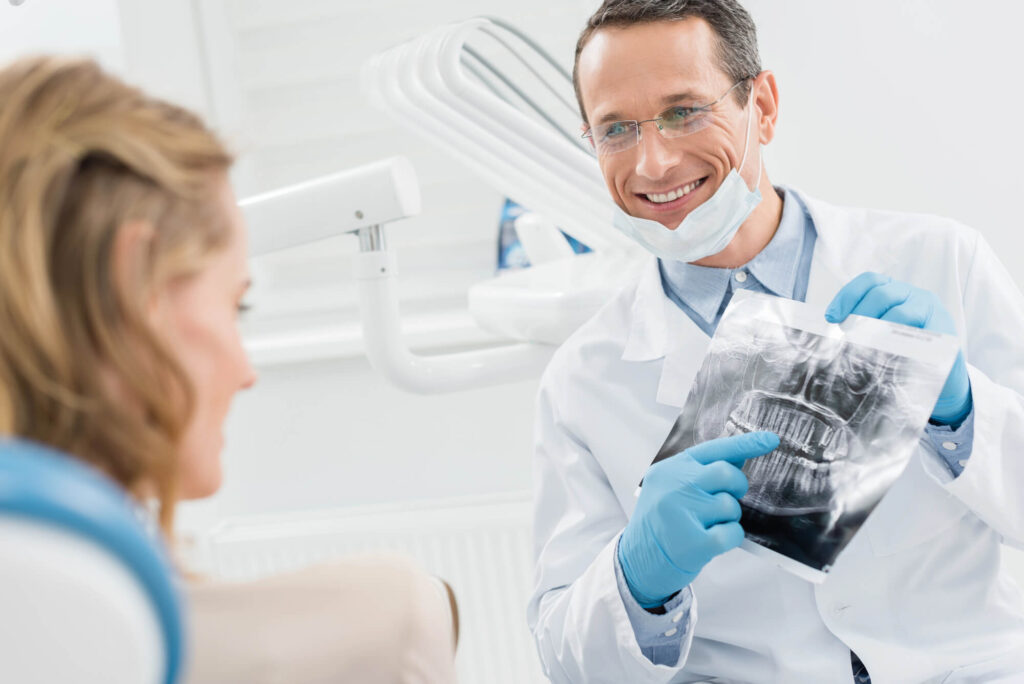
Dental X-rays allow dentists to see what’s happening beneath the surface of your teeth and gums—something a visual examination can’t provide. Here’s why they’re essential:
1. Detecting Cavities and Decay Early
Even the best dentist can’t see inside your teeth with the naked eye. X-rays help identify cavities hiding between teeth or beneath existing fillings. Catching decay early means less invasive and more affordable treatments for you.
2. Identifying Gum Disease and Bone Loss
Gum disease isn’t just about swollen gums—if left untreated, it can lead to bone loss around your teeth. X-rays help measure bone levels, allowing your dentist to track changes over time and intervene before things get worse.
3. Monitoring Tooth Development in Kids and Teens
Dental X-rays play a crucial role in monitoring tooth development in younger patients. They help dentists check whether permanent teeth are erupting properly or if orthodontic treatment may be needed.
4. Evaluating Wisdom Teeth
Wisdom teeth can be troublemakers. X-rays help determine if they’re impacted, coming in at an awkward angle, or likely to cause crowding issues.
5. Spotting Infections and Other Hidden Problems
From abscesses to cysts and even early signs of oral cancer, dental X-rays help detect problems that could go unnoticed until they become serious.
Are Dental X-Rays Safe?
Radiation exposure is a common concern, and it’s understandable. However, dental X-rays are one of the lowest radiation-emitting medical imaging procedures you can undergo.
1. Low Radiation Exposure
Modern dental X-ray machines emit incredibly small amounts of radiation—so small that they’re considered safe for children and adults. The amount of radiation from a single dental X-ray is comparable to the exposure you get from natural sources like the sun or flying on an airplane.
2. Digital X-Rays: A Safer Alternative
Many dental offices now use digital X-rays, which reduce radiation exposure by up to 90% compared to traditional film X-rays. Digital images also provide clearer results, making it easier for dentists to diagnose issues accurately.
3. Lead Aprons and Thyroid Collars for Extra Protection
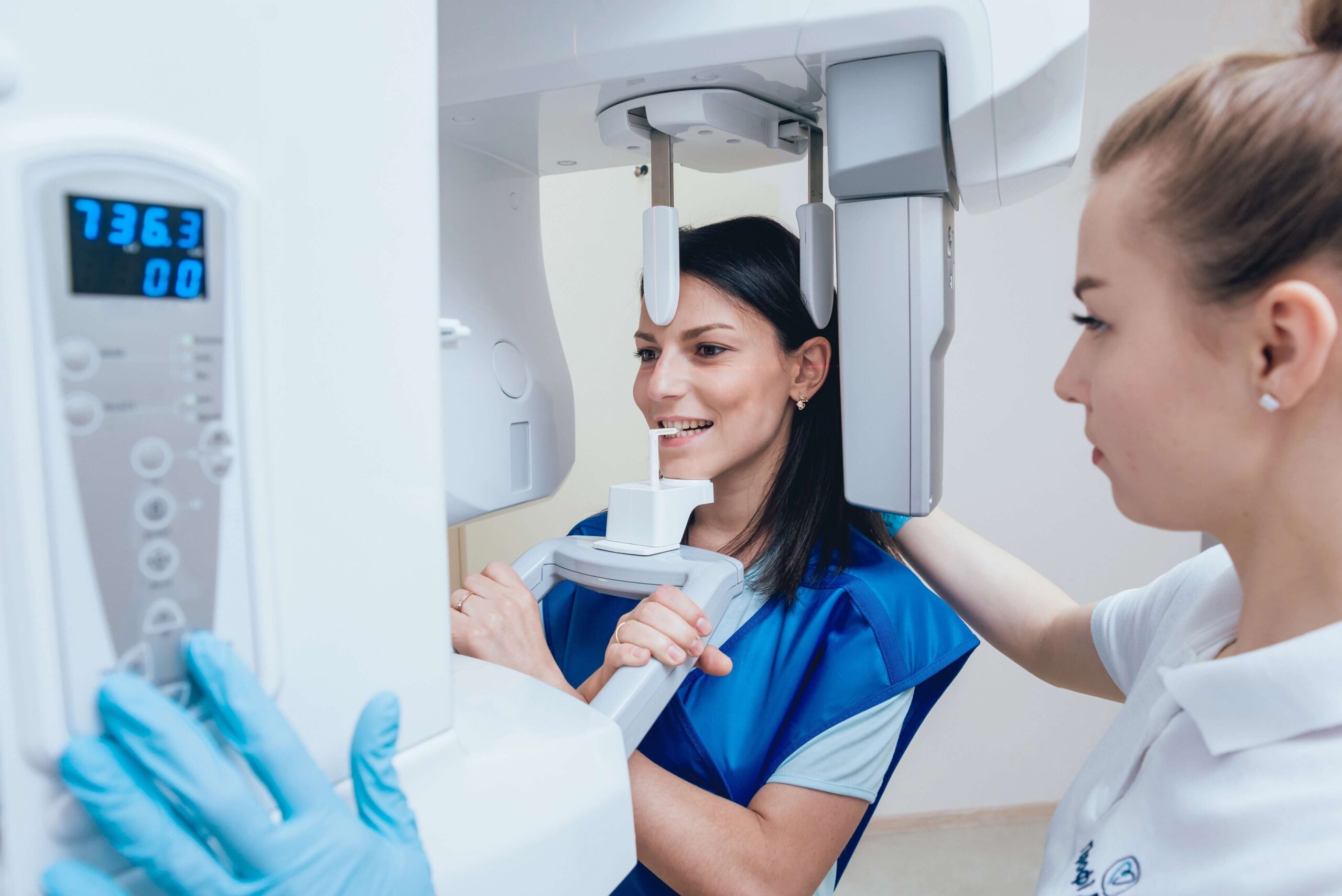
You know that heavy apron placed over your body during an X-ray? It’s there for an extra layer of protection. Lead aprons and thyroid collars help shield your organs from unnecessary exposure, though the risk is minimal.
4. Are Dental X-Rays Safe for Pregnant Women?
Pregnant women are typically advised to postpone non-essential X-rays as a precaution. However, in emergencies, dental X-rays can still be taken with extra shielding to ensure the safety of both mother and baby. If you’re pregnant, always inform your dentist before an X-ray is taken.
How Often Should You Get Dental X-Rays?
There is no one-size-fits-all answer to this question, as this depends on your oral health history, age, and risk factors.
1. For Adults with Healthy Teeth and Gums
If you maintain good oral hygiene, visit your dentist regularly, and have no history of dental disease, your dentist may only need to take X-rays every one to two years.
Why?
- Your risk of developing cavities, gum disease, or structural issues is lower.
- Routine checkups, cleanings, and visual exams may be enough to monitor your oral health.
- If you don’t have a history of frequent dental problems, your dentist may take a more conservative approach to X-rays.
Exceptions:
- Even healthy adults may need X-rays more frequently if they:
- Develop new symptoms such as tooth pain, gum inflammation, or sensitivity.
- Experience dental trauma from an accident or injury.
- Are preparing for certain treatments like dental implants or orthodontics.
2. For Children and Teens
Depending on their oral health and development, children and teenagers typically require more frequent X-rays, often once a year or even every six months.
Why?
- Their teeth and jawbones are still growing, so changes must be monitored regularly.
- Baby teeth eventually give way to permanent teeth; X-rays help dentists ensure permanent teeth are emerging properly.
- Kids are more prone to cavities, especially if they eat sugary foods or struggle with proper brushing techniques.
What Do X-Rays Help Detect in Children?
- Early-stage cavities before they cause serious damage.
- Potential alignment issues or missing teeth.
- Impacted teeth (especially wisdom teeth in teenagers).
Special Considerations for Teens:
- X-rays may be needed more frequently for teenagers undergoing orthodontic treatment, such as braces. This is to track progress and make adjustments.
- Wisdom teeth evaluations often begin around age 16-18 to determine if they need to be removed before causing crowding or impaction.
3. For High-Risk Patients
If you have a history of dental problems, your dentist may recommend X-rays more frequently, sometimes every 6 months to a year.
Who Falls into the High-Risk Category?
- Patients with a history of cavities: If patients tend to develop cavities often, X-rays can help detect decay early before it worsens.
- Those with gum disease (periodontitis): Gum disease can lead to bone loss, and X-rays are essential for monitoring changes in bone structure.
- Patients with extensive dental work: If you have multiple crowns, fillings, or dental implants, your dentist may take X-rays to ensure everything remains intact and functional.
- Smokers or tobacco users: Smoking increases the risk of gum disease and oral cancer, both of which require regular monitoring.
- Patients with dry mouth (xerostomia): Reduced saliva flow can increase the risk of cavities, as saliva neutralizes acids and washes away bacteria.
Why Frequent X-Rays for High-Risk Patients?
- Detecting decay in hard-to-see areas, such as under fillings or crowns.
- Monitoring bone loss caused by gum disease.
- Catching signs of infection, abscesses, or cysts before they worsen.
What Are the Different Types of Dental X-Rays?
There are several types of dental X-rays, each serving a specific purpose:
1. Bitewing X-Rays
These are the most common type of dental X-ray, typically used to detect cavities between teeth and assess bone levels.
2. Periapical X-Rays
These focus on an entire tooth, from crown to root, helping detect infections, fractures, and deep decay.
3. Panoramic X-Rays
A single image that captures the entire mouth, including teeth, jawbones, and sinuses. This type is especially useful for evaluating wisdom teeth and planning orthodontic treatment.
4. Occlusal X-Rays
These are used mainly for children to check the development of baby teeth and detect extra or missing teeth.
5. Cone Beam CT Scans
A more advanced 3D imaging technique is often used for implant placement and complex dental issues.
Are You Looking for Safe and Effective General Dentistry in Clearwater, FL?
At Champagne Dental Care, we prioritize your safety and comfort while ensuring your oral health is in the best hands. Our state-of-the-art technology, including low-radiation digital X-rays, helps us provide accurate diagnoses with minimal exposure.
If you have any concerns about dental X-rays or are due for your next checkup, our friendly team is here to help. Contact Champagne Dental Care today to schedule an appointment and keep your smile healthy for years!