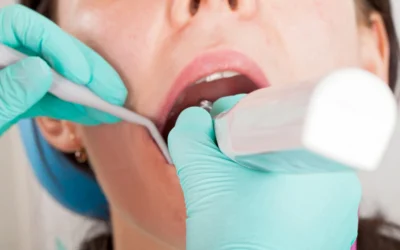
Hearing that you may need oral surgery can feel overwhelming. It’s completely natural to have concerns or questions about what comes next. You’ll be happy to learn that Clearwater oral surgery is safe, effective, and focused on your comfort every step of the way.
Understanding what oral surgery entails (and knowing if you need it) is paramount to be able to make confident decisions about your oral health.

What Is Oral Surgery?
Oral surgery includes a range of procedures that treat issues affecting the teeth, gums, jaw and surrounding structures. Some procedures are relatively simple, such as tooth extractions, while others, like dental implants or bone grafting, are more advanced.
No matter the procedure, the goal is the same: relieve pain, restore function, and protect your long-term oral health. With today’s techniques and technology, many oral surgeries are more comfortable and efficient than patients expect.
Common Reasons Patients Need Oral Surgery
There are several situations where oral surgery may be recommended, especially when less invasive treatments are no longer effective. These include the following:
- Severe tooth decay or infection that cannot be treated with a filling or root canal
- Impacted wisdom teeth causing pain or crowding
- Advanced gum disease affecting the stability of teeth
- Missing teeth that require dental implants for restoration
- Jaw or bite alignment issues that impact function
In each case, surgery is recommended with your best interest in mind. The goal is to help prevent further complications and improve your quality of life. Oral surgery is always chosen as the last option; your dentist will always assess other possibilities and may even recommend some less invasive treatments before resorting to surgery.

Signs and Symptoms You May Need Oral Surgery
Your body often provides warning signs when something isn’t right. Recognizing these symptoms early can help you seek treatment before the condition worsens.
- Persistent or worsening tooth pain
- Swelling in the gums, jaw, or face
- Difficulty chewing, biting, or opening your mouth
- Bleeding or inflamed gums
- Loose teeth or noticeable changes in your bite
- Sores or areas in the mouth that do not heal
- Fever or signs of infection
- Numbness or tingling in the jaw or lips
- Difficulty swallowing or breathing
All of these signs and symptoms are quite extreme. If you want to avoid complications that could potentially lead to needing oral surgery, the best course of action is to get regular dental check-ups. Severe tooth pain may begin as mild discomfort, and a sore spot can balloon until it becomes a full-blown infection.
At your regular check-up, your dentist can help sus out minor problems and deal with them as they appear. Having an open line of communication with an expert will be really beneficial in the long run.
Common Oral Surgery Procedures Explained
Understanding the types of procedures available can help ease uncertainty. While there are myriads of different oral surgeries available, here are a few of the most.
Tooth extractions
Tooth extractions are one of the most common dental procedures, and while the idea can feel intimidating, they’re often a straightforward and highly beneficial way to protect your oral health. This procedure entails the removal of a tooth from its socket in the jawbone. Dentists only recommend extraction when a tooth can’t be saved with treatments like fillings, crowns, or root canals.
Dental implant placement
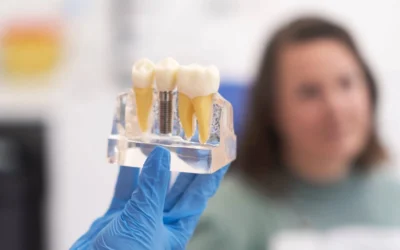
Dental implant placement is a procedure where a small titanium post is surgically inserted into the jawbone to act as a replacement tooth root. Once healed, this dental implant supports a crown, bridge, or denture. The result is a restoration that looks, feels, and functions very much like a natural tooth.
Dental implant placement is one of the most advanced and reliable ways to replace missing teeth. It’s designed to restore not just the look of your smile, but also its full function—allowing you to eat, speak, and live comfortably with confidence.
Bone grafting
Bone grafting is a common and highly effective procedure used in dentistry to rebuild or strengthen jawbone that has been lost due to missing teeth, gum disease, or trauma. While it may sound complex, it’s a well-established treatment that plays a key role in restoring oral health.
Gum surgery
Gum surgery, also known as periodontal surgery, is used to treat advanced gum disease and restore the health of your gums and supporting bone.
This type of surgery includes a group of procedures designed to treat infection, repair damage, and restore gum tissue. It’s typically recommended when non-surgical treatments (like deep cleanings) are no longer enough to control gum disease.
What to Expect Before, During, and After Oral Surgery
Knowing what to expect can help you feel more at ease about the process.
Before your procedure, your dentist will conduct a thorough evaluation, which may include imaging and a discussion of sedation options. This is your opportunity to ask questions to understand every step of the process.
During the procedure, your comfort is the priority. Local anesthesia or sedation is used to ensure a pain-free experience, and the procedure is completed as efficiently as possible.
After surgery, you’ll receive detailed instructions to support healing. Recovery times vary depending on the procedure, but most patients find that following these guidelines helps ensure a smooth process.
Recovery and Aftercare Tips
Taking proper care of yourself after oral surgery is essential for healing and comfort. Some helpful tips include:
- Rest and avoid strenuous activity for the recommended time
- Use ice packs to reduce swelling
- Stick to soft foods and avoid hard or crunchy items
- Maintain gentle oral hygiene as instructed
- Stay hydrated and attend follow-up appointments
Following these steps can make a significant difference in your recovery experience.
Why Early Evaluation Makes a Difference
Delaying treatment can allow dental problems to worsen, often leading to more complex procedures later. Early evaluation helps catch issues sooner, giving you more treatment options and typically resulting in faster, more comfortable care.
Seeking care promptly not only protects your oral health but also provides you peace of mind.

Get the Care You Need with Confidence: Schedule Your Appointment for a Clearwater Oral Surgery
If you’re experiencing symptoms or have been told you may need oral surgery, you don’t have to face it alone. Our caring team at Champagne Dental Care is here to provide expert guidance and compassionate care tailored to your needs.
Call today or schedule your appointment online to learn more about your options and take the next step toward a healthier smile.