Between the beaches, the boats, the golf courses, and the waterfront patios, life in Tampa Bay happens outdoors. Most people remember sunscreen for their shoulders and noses, but lips rarely make the list.
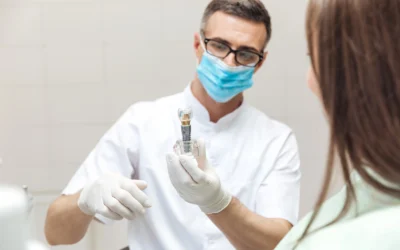
The best dentists in Eagle Crest, St. Petersburg look beyond your teeth, checking your lips, tongue, cheeks, and throat at routine visits, because changes in those places are easiest to deal with when they are noticed early. If you are choosing family dentistry in Eagle Crest, it is worth asking whether an oral cancer screening is part of every exam.
Why Your Lips Need Sun Protection Too
The Mayo Clinic explains that lip cancer is most common on the lower lip and can be caused by too much sun exposure, by tobacco use, or by both.
The ultraviolet light that comes from the sun, and from tanning beds, can change the DNA in the skin cells of the lips. Risk factors include tobacco use of any kind, skin that sunburns easily, excessive sun exposure to the lips, and a weakened immune system.
The National Cancer Institute notes that in most countries men have higher rates of lip cancer, which it links to sunlight exposure from outdoor occupations. The takeaway for Florida is simple: anyone who spends long hours in strong sun, whether fishing, running, boating, or working outside, has a reason to think about their lips.
Other Risk Factors for Oral Cancer
The sun is only one piece of the picture. Oral cancer risk is shaped by several things:
- Tobacco use, including smokeless tobacco
- Alcohol use, especially when combined with tobacco
- Human papillomavirus (HPV) infections
- Significant sun exposure on the lips
The NCI lists tobacco, alcohol, betel-quid chewing, and HPV as the primary risk factors for oral cavity cancers, and it notes that cancers related to HPV have been increasing. That means not smoking does not equal zero risk. It is also worth remembering that most people with risk factors never develop oral cancer, so the goal is awareness, not alarm.
What an Oral Cancer Screening Involves
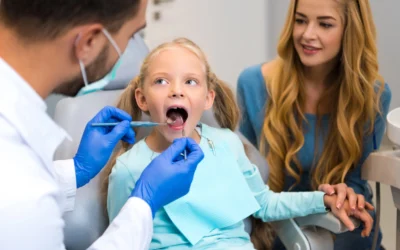
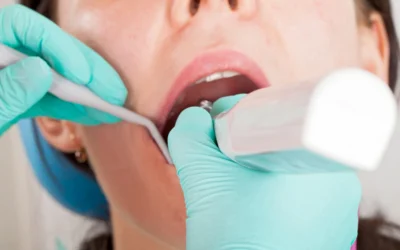
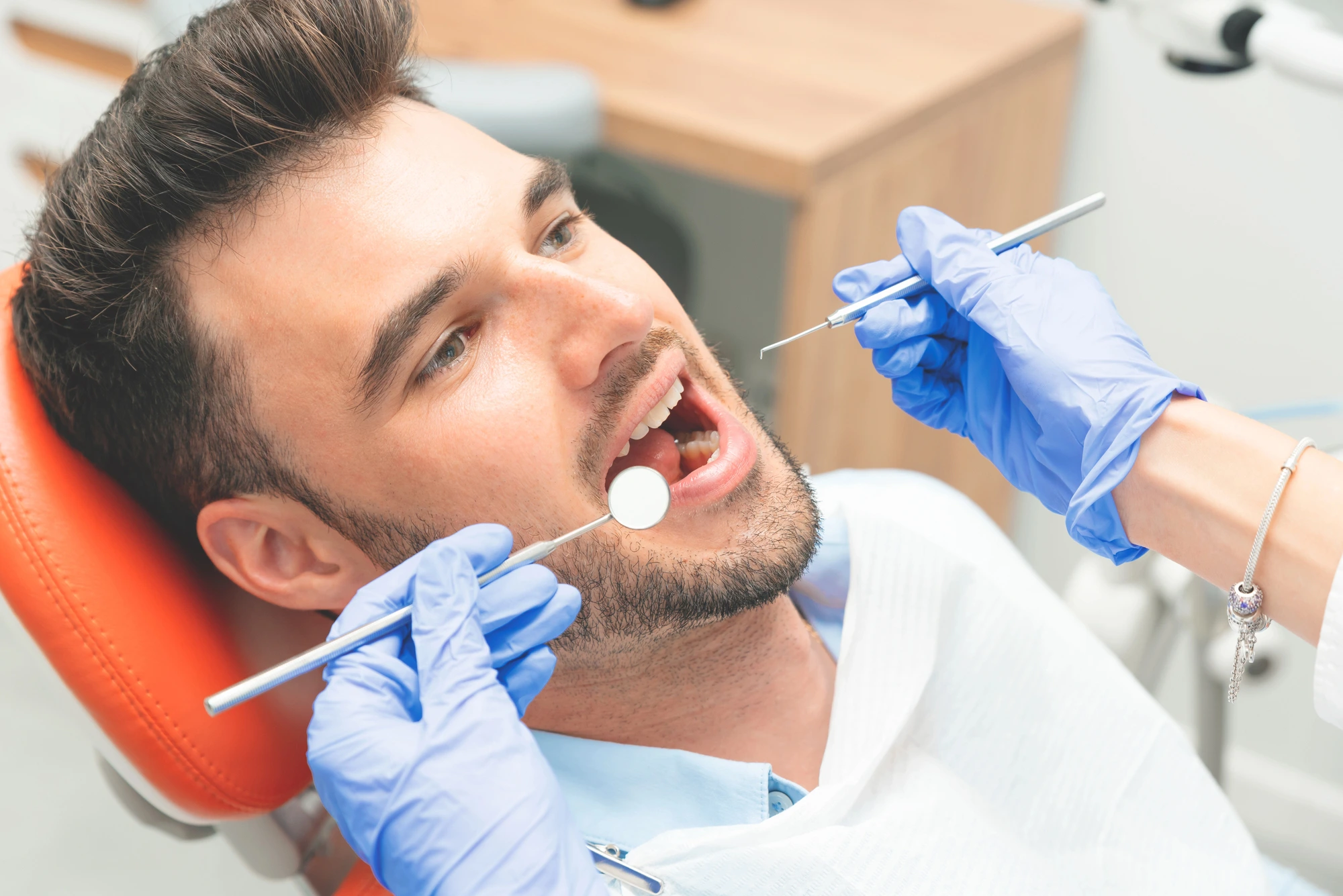
An oral cancer screening is a visual and hands-on exam. Your dentist or hygienist looks at your lips, tongue, cheeks, the floor and roof of your mouth, and your throat, and feels your neck and jaw for lumps or tenderness.
The screening is non-invasive, and it is usually part of a routine exam, which is one reason regular visits matter. You can learn more about how preventative dentistry fits these checks into everyday care, and a routine dental cleaning visit is often when they happen.
A screening does not diagnose cancer. If your dentist sees something unusual, the next step is follow-up, and only a tissue biopsy can confirm the finding actually is.
What Dentists Look For
During a screening, your dentist is watching for changes such as:
- White or red patches in the mouth
- Sores that do not heal
- Lumps or thickened areas
- Changes on the lip, such as a flat or slightly raised red or whitish discoloration
- Numbness, tingling, or pain with no clear cause

What the Research Says About Screening
It helps to be clear about what is and is not known. The American Dental Association’s policy on early detection recognizes that early diagnosis of oral and oropharyngeal cancer can have a significant impact on treatment decisions and outcomes, and it supports routine visual and tactile examinations for all patients.
At the same time, the U.S. Preventive Services Task Force concluded in 2013 that the evidence was insufficient to assess the balance of benefits and harms of screening asymptomatic adults for oral cancer, and the ADA points out that this statement was directed at primary care providers, not dental providers.
In practice, that means a screening is a quick, non-invasive part of a dental exam that works best alongside awareness of risk factors and symptoms. It is not a guarantee, and it is not a substitute for paying attention to changes between visits.
Protecting Your Lips and Mouth in the Florida Sun
The Mayo Clinic’s prevention advice translates well to Tampa Bay life:
- Use a lip balm with sunscreen, and reapply it every two hours, or more often if you are swimming or sweating.
- Wear a wide-brimmed hat to shield your face from the sun.
- Plan outdoor time aoround the midday hours, when the sun is strongest, and stay in the shade when you can.
- Skip tanning beds and tanning lamps.
- Stop using tobacco, or do not start.
- Limit alcohol.
- Talk with your doctor about HPV vaccination.
The Mayo Clinic also suggests looking at your face often for new growths or sores, and noticing any pain, numbness, or tingling on or near your lips.
How Often Should You Be Screened?
Because a screening is part of a routine exam, it fits naturally into regular six-month visits. People with risk factors, such as tobacco use, heavy alcohol use, or lots of time in the sun, may want to be especially consistent. Visits like these do more than polish your smile, because they also help identify concerns early.
When to Call Sooner
Do not wait for your next cleaning if a sore, patch, or lump lasts or keeps coming back. Everyday habits can also affect your mouth over time, so it is worth reviewing common dental habits that affect your teeth, and mentioning any changes you notice at your next visit.
Frequently Asked Questions
Is an oral cancer screening painful?
No. It is a visual and hands-on check of your mouth and neck.
Can the sun really cause lip cancer?
Yes. The Mayo Clinic lists excessive sun exposure to the lips as both a cause and a risk factor.
I don’t smoke. Do I still need a screening?
Risk factors go beyond tobacco and include sun exposure, alcohol, and HPV, so a screening is a reasonable part of routine care.
How long does a screening take?
It is usually a short part of a regular dental exam.
Does a screening diagnose cancer?
No. It identifies changes that need follow-up, and only a biopsy can confirm cancer.
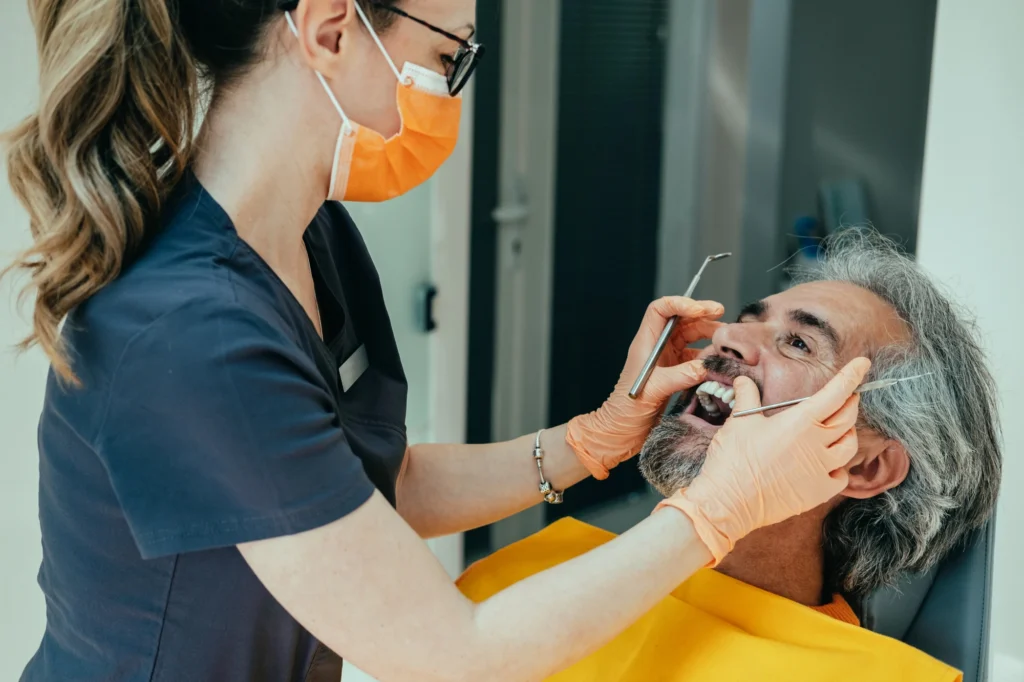
Looking for the Best Dentists in Eagle Crest, St. Petersburg? Add an Oral Cancer Screening to Your Next Visit
Our team at Champagne Dental Care includes oral cancer screenings as part of caring for the whole mouth, from your teeth to your lips. Schedule your exam or call our St. Petersburg office at (727) 384-6656, and let us know if you spend a lot of time in the sun.