A person can brush every day and still notice stains, sensitivity, or small chips appearing over time. Teeth respond to repeated habits more than occasional events. Small routines—skipping floss, sipping sweet drinks, clenching during sleep—can quietly affect enamel and gum health. These changes are gradual, so they often go unnoticed until a dental visit.
Learning which everyday habits influence oral health helps families stay ahead of problems and maintain healthier smiles with guidance from Grovewood family dentistry Clearwater.
How Daily Habits Shape Long-Term Oral Health
Teeth are strong, yet they respond to constant exposure. Acid, pressure, plaque, and dryness all influence enamel and gum tissue over time. Understanding common habits helps explain why small changes can protect oral health.
Skipping Flossing
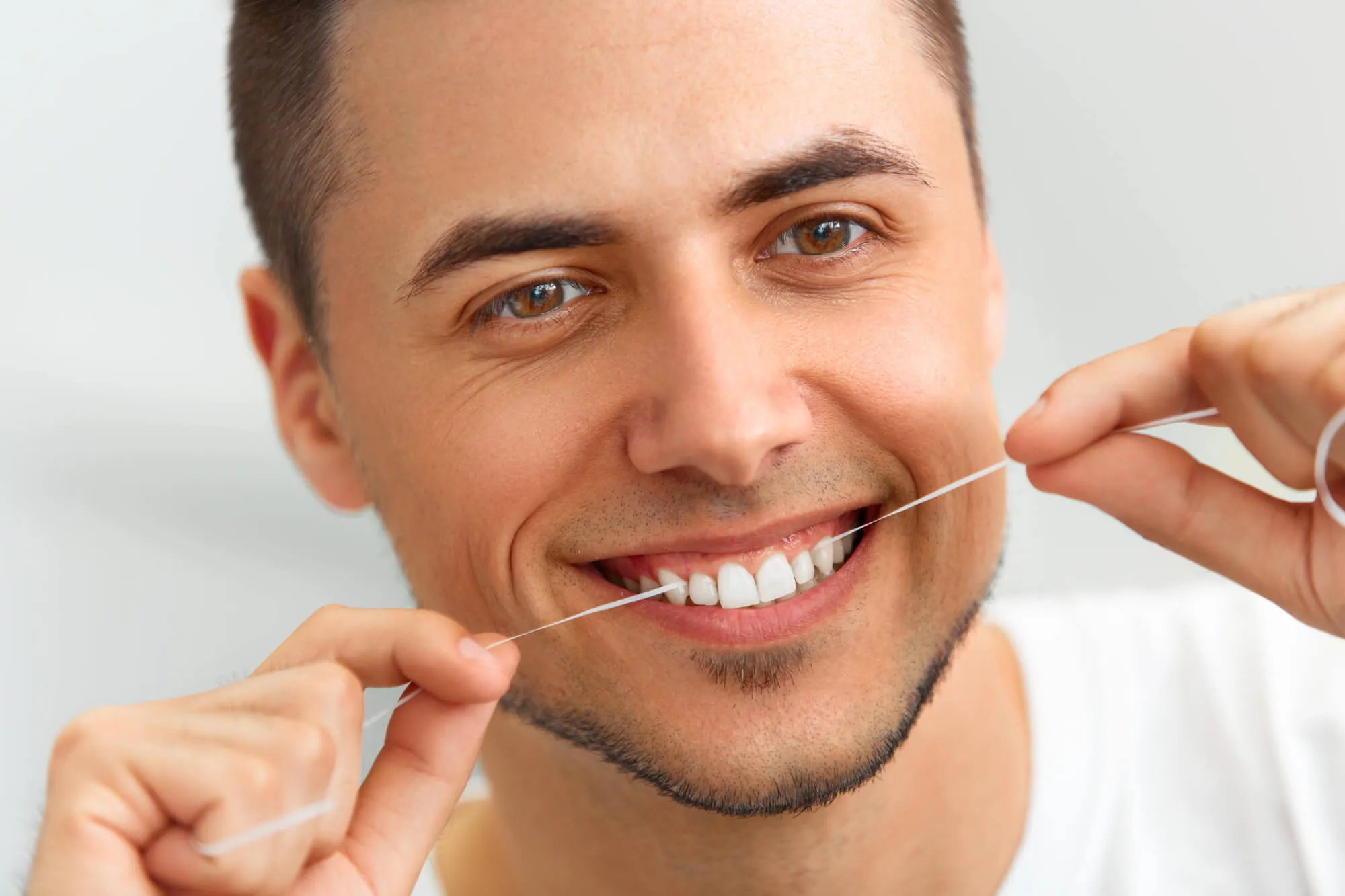
Flossing removes plaque from areas a toothbrush cannot reach. Without it, plaque collects between teeth and along the gumline. These spaces are common sites for cavities and gum irritation. Even people who brush twice daily may still experience decay in these hidden areas.
Brushing Too Hard
Brushing aggressively does not clean better. It can wear down enamel and cause gum recession, exposing sensitive tooth roots. Over time, this can lead to discomfort with cold drinks or brushing. A soft-bristled brush and gentle motion help clean teeth while protecting enamel.
Frequent Snacking or Sugary Drinks
Every time sugar is consumed, mouth bacteria produce acid. Frequent snacking or sipping sweet drinks keeps acid levels high, giving teeth less time to recover. Even drinks like juice or flavored coffee can affect enamel if consumed throughout the day.
Using Teeth as Tools
Opening packages, biting nails, or chewing ice places stress on teeth. These habits can cause small cracks or chips that weaken enamel over time. Teeth are designed for chewing food, not for cutting plastic or holding objects.
Teeth Grinding or Clenching
Grinding or clenching, often during sleep, can wear down enamel and cause jaw tension. Over time, teeth may appear shorter or flattened. Dentists may recommend a night guard to protect teeth from repeated pressure.
Habits That Affect Your Teeth Without You Realizing
Some routines seem harmless but still influence oral health.
Drinking Coffee or Tea All Day
Coffee and tea can stain enamel. Frequent sipping also keeps acids in contact with teeth longer. Drinking water afterward helps rinse the mouth and reduce staining. Using a straw for iced drinks and limiting the use of sweeteners can also lower exposure. Regular cleanings help polish away surface stains before they settle into enamel.
Mouth Breathing
Mouth breathing can reduce saliva production, which helps protect teeth. Without enough saliva, bacteria can grow more easily, increasing the risk of cavities. Addressing nasal congestion or hydration can help. Using a humidifier at night may also improve mouth moisture. Dentists can sometimes notice signs of dry mouth early during exams.
Skipping Regular Dental Visits
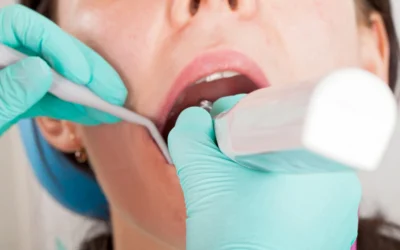
Routine exams help detect early decay, worn fillings, or gum changes before discomfort appears. Small concerns are often easier to manage when identified early. Cleanings also remove tartar that brushing at home cannot remove. These visits give dentists a chance to review habits and suggest practical changes that support long-term oral health.
Not Replacing Toothbrushes
Worn bristles clean less effectively. Replacing toothbrushes every three months helps maintain proper cleaning and reduces bacteria buildup. After illness, switching to a new brush can also limit the reintroduction of germs. Choosing a soft-bristled brush helps protect enamel and gums while still cleaning thoroughly.
Habits That Help Protect Teeth Over Time
Healthy routines do not need to be complicated. Consistency matters more than perfection.
Brushing and Flossing Consistently
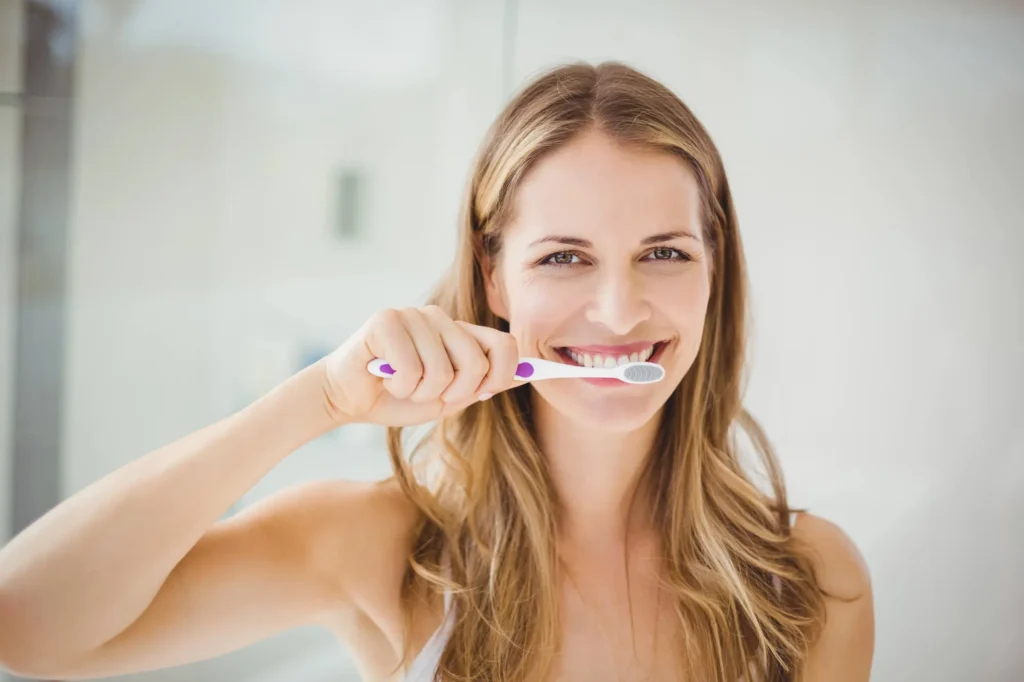
Brushing twice daily with fluoride toothpaste removes plaque and strengthens enamel. Flossing daily cleans areas between teeth and supports gum health. Taking time to brush along the gumline improves cleaning where plaque tends to accumulate. Using an electric toothbrush or floss picks can help people who struggle with manual techniques.
Balanced Eating Patterns
Eating meals at regular times instead of constant snacking allows saliva to neutralize acids. Drinking water after acidic foods also helps protect the enamel. Choosing crunchy fruits and vegetables can stimulate saliva and help clean tooth surfaces. Limiting sticky snacks reduces the amount of sugar that stays on the teeth.
Using Fluoride Toothpaste
Fluoride strengthens enamel and helps resist decay. Using fluoride toothpaste as recommended by your dentist supports long-term tooth protection. Spitting instead of rinsing right away allows fluoride to stay on teeth longer. Dentists may suggest additional fluoride treatments for patients at higher risk of cavities.
Wearing Night Guards if Recommended
If grinding is detected, a night guard cushions teeth and reduces wear. This small step can prevent long-term enamel damage. Grinding often happens during sleep without awareness. A custom guard fits more comfortably and helps protect both teeth and dental work.
Why Family Dentistry Helps Build Better Habits
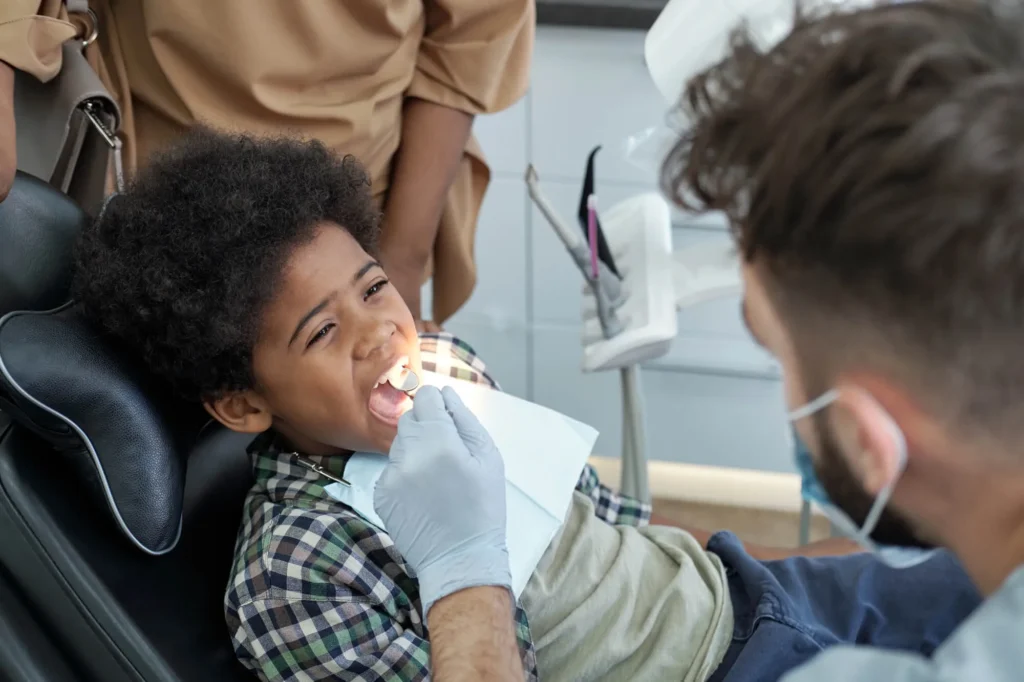
Family dentists track changes over time. They notice patterns in plaque buildup, gum health, and enamel wear, and provide guidance tailored to each patient’s needs. Children, teens, and adults all have different risks, so care plans adjust accordingly.
Routine visits also reinforce healthy routines. Small reminders about brushing techniques or diets can make daily habits easier to maintain. Through ongoing care, families receive steady support that helps protect oral health year after year.
Helping Kids Build Healthy Dental Habits Early
Children learn routines by watching adults. Brushing together, limiting sugary snacks, and making dental visits routine help children feel comfortable with oral care. Baby teeth matter because they guide the eruption of adult teeth and support speech development.
Encouraging consistent habits early makes oral health feel normal rather than stressful. Simple routines—brushing twice daily, drinking water, and visiting the dentist regularly—build a strong foundation that lasts into adulthood.

Building Healthier Habits with Grovewood Family Dentistry Clearwater
Small habits shape oral health over time. Paying attention to brushing, diet, and routine visits helps protect teeth before problems develop. At Champagne Dental Care, we focus on prevention, education, and support for patients of every age. If you would like guidance on improving your dental routine, scheduling a visit can provide practical advice tailored to your needs. Consistent habits and thoughtful care help maintain comfortable, confident smiles for years ahead.