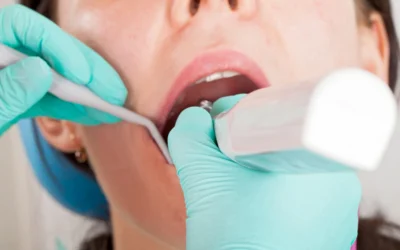
You tell your child: “it won’t hurt” while gripping the armrest with white knuckles, and your child notices. Children read the adults around them closely, which means the way a family talks about the dentist can shape how a child feels about it for years. The good news is that fear that is learned can also be unlearned.
For families looking into Pasadena dental care for families, one of the first questions is often how to make visits calmer for everyone, parents included. Choosing family-focused dental care that understands this dynamic is a strong place to start.
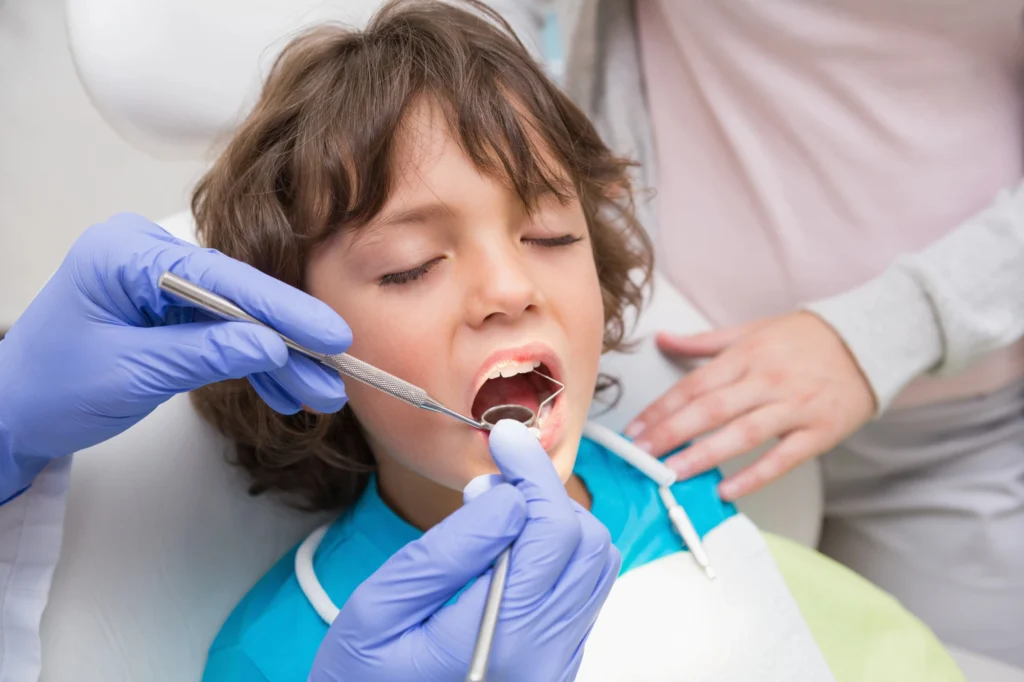
How Dental Fear Gets Passed Down
The American Academy of Pediatric Dentistry says that parents who have had negative dental experiences may transmit their own anxiety or fear to their child, which can affect the child’s attitude and response to care. Its behavior guidance statement also notes that about 15 percent of pediatric patients have persistent anxiety or develop dental anxiety as adults.
Research on families points in the same direction. A study in PubMed Central on intergenerational dental fear found that maternal dental fear was associated with a 20 percent higher prevalence of dental fear in children, even after accounting for factors like maternal education. In that study, about 20% of mothers reported dental fear, and mothers reported fear in about 36% of their children.
That does not mean fear is inevitable. It is an association, not a guarantee, and the same research suggests that helping parents feel calmer can help their children, too.
The Little Things Kids Pick Up
Children rarely absorb fear from a single conversation. They pick it up from small signals that add up:
- Your words: “Don’t worry, it won’t hurt” can plant the idea that there is something to worry about
- Your body language: A tense jaw or a white-knuckled grip in the waiting room
- Your stories: War stories about your own bad experiences, especially in front of children
- Your avoidance: Canceling or postponing visits because of nerves
- Your warnings: “If you don’t brush, the dentist will…”
The AAPD notes that communicating with empathy, offering reassurance, and giving clear, specific instructions can help reduce anxiety. Calm, matter-of-fact language works better than either dramatic comfort or dire warnings.
Words That Help vs. Words That Backfire
Small changes in phrasing can make a big difference. Consider these swaps:
- Instead of “It won’t hurt,” try “The dentist will count and look at your teeth”
- Instead of a scary story, try “Let’s meet someone who helps keep teeth strong”
- Instead of “Be brave,” try “You can raise your hand if you need a break”
- Instead of a bribe, try specific praise afterward, like “You kept your mouth open so well”
The AAPD recommends choosing words that do not unnecessarily alarm, and praising specific cooperative behavior rather than offering general comments like “good job.”
Break the Cycle: Start With Your Own Fear
Helping your child starts with taking your own fear seriously. The American Dental Association’s advice on coping with dental fears is practical and straightforward.
Tell the receptionist when you book that you are anxious, tell the staff when you arrive, and tell your dentist, especially if you have felt pain before. Agree on a signal, like raising your hand, to pause. Ask what the treatment involves, or have the dentist explain as they go. Use distraction, and practice slow, deep breathing in the car, in the waiting room, and in the chair.
A routine visit can be a low-stakes way to rebuild trust before your child’s appointment. Something as simple as a regular dental cleaning gives you a chance to practice these steps and see that a calm, well-paced visit is possible. If your own fear is intense, it can also help to have a calm adult accompany your child for the first appointments.

Set Your Child Up for a Good First Visit
The AAPD’s basic behavior guidance offers a roadmap that parents can follow at home:
- Start early. The AAPD notes that establishing a dental home by 12 months of age is growing in acceptance, and that early preventive care leads to less disease and fewer negative experiences.
- Show your child positive pictures or videos of a dental visit beforehand.
- Practice at home, such as opening wide or touching a cheek with a clean mirror, so the steps feel familiar.
- Visit the office before the appointment, if possible, so your child can meet the team.
- Agree on a hand signal your child can use to take a break, which gives them a sense of control.
- Praise specific behaviors afterward, such as keeping hands still or opening wide.
Early preventive care can also make first visits simpler. For example, reading about how fluoride treatment protects teeth can help you explain a common step in plain language.
Keeping Visits Positive Over Time
Fear fades fastest when visits stay short, simple, and predictable. Regular six-month visits help catch small problems before they become painful ones, and a painful problem is one of the surest ways to create lasting fear.
Habits at home matter, too. The way families snack can change cavity risk, and it helps to understand that professional cleanings do more than clean your teeth by identifying concerns early.
After each visit, take a moment to debrief. Ask your child what they remember, celebrate what went well, and let them hear you speak positively about the experience.
Frequently Asked Questions
When should my child first see a dentist?
The AAPD supports establishing a dental home by about 12 months, so ask your dentist when to schedule that first visit.
Should I stay in the room with my child?
Often yes, since a parent’s presence can offer support, but talk with the dentist about what works best for your child.
Will my dental fear automatically pass to my child?
No. Research shows an association, not certainty, and calm preparation can make a real difference.
What if my child already seems afraid?
Slow down, use gradual exposure such as visiting the office or practicing at home, and tell the dental team what you have noticed.
Is some dental anxiety normal?
Yes. The AAPD notes that anxiety is expected given the unfamiliar environment and expectations of a dental visit.
Break the Cycle: Pasadena Dental Care for Families That Puts Comfort First
Our team at Champagne Dental Care welcomes nervous parents and nervous kids alike. Tell us how you feel when you call, and we’ll pace the visit to match. Schedule your appointment or call our St. Petersburg office at (727) 384-6656 to get the compassionate care you deserve.