Today’s snack aisle looks nothing like it did a generation ago. Pouches, flavored yogurt tubes, “kid-friendly” sports drinks, and grab-and-go crackers have replaced structured mealtimes for a lot of families, and it’s changing more than just what’s in the lunchbox.
Between busy after-school schedules, car rides, and screen time, snacking has become something kids do almost constantly throughout the day rather than at set moments.
If you’ve been researching pediatric dentistry in Eagle Crest, St. Pete, you may already suspect that these modern snacking habits are playing a bigger role in cavity rates than most parents realize. Pediatric dentistry is built around exactly this kind of prevention, helping families understand not just how to treat cavities, but how to avoid them in the first place.

Why Kids’ Snacking Habits Have Changed
Constant grazing has quietly replaced the three-meals-and-a-snack routine many of us grew up with. Convenient foods marketed as “healthy,” like fruit pouches and flavored yogurts, are often just as sugary as candy, even though they don’t look or feel that way to parents.
Marketing plays a real role here too: bright packaging, cartoon characters, and words like “natural” or “made with real fruit” can make a snack feel like a smart choice, even when the sugar content rivals a dessert.
Pair that with busier schedules and more snacking throughout the day, and kids’ teeth are exposed to sugar far more often than most families intend. Building strong at-home oral hygiene habits can help offset some of this shift, but understanding the “why” behind it matters just as much as the daily routine itself.
Why Frequency Matters More Than Most Parents Realize
Here’s the part that catches a lot of parents off guard: it’s not just how much sugar your child eats, but how often. Every time sugar hits the teeth, it triggers a wave of acid production from the bacteria in plaque, and that acid is what erodes enamel over time.
A single sugary snack causes an acid attack. However, grazing throughout the day, sipping juice, snacking between meals, going back for “just one more” fruit snack, means teeth are under near-constant acid exposure with little time to recover in between.
Common Snacking Culprits Parents Might Not Suspect
Some of the biggest offenders aren’t the obvious ones like candy or soda. Watch out for:
- Fruit snacks and pouches marketed as “healthy”
- Flavored yogurts and yogurt tubes
- Sports drinks and flavored waters
- Crackers and pretzels, which convert to sugar as they break down
- Dried fruit and fruit leathers, which are sticky and cling to teeth
Many of these snacks are sticky, which means they linger on tooth surfaces longer than a quick treat would. According to the American Academy of Pediatric Dentistry, frequent between-meal exposure to sugar-containing snacks and beverages is one of the clearest risk factors for childhood cavities.
The CDC has also tracked how common untreated decay remains among young children nationwide, underscoring just how widespread this issue is.
The Data Behind the Trend
Cavities remain one of the most common chronic conditions in childhood, and diet is consistently cited as a major contributing factor alongside brushing habits and regular dental visits.
Pediatric dentists have noted this shift firsthand, seeing more cavities in patients whose diets otherwise look reasonably balanced on paper, simply because of how often sugar is entering the picture throughout the day.
This isn’t about eliminating snacks altogether. Kids need fuel throughout the day, especially active, growing ones. What matters is being more intentional with timing and choices, so teeth get a fair chance to recover between exposures.
Understanding how tooth decay develops over time can help put this into perspective: decay is often a slow, cumulative process, which means small daily changes can make a meaningful difference.
Smarter Snacking Strategies for Parents
A few practical adjustments can go a long way toward protecting your child’s smile:
- Pair snacks with meals instead of allowing constant grazing throughout the day
- Choose water over juice or sports drinks between meals
- Swap sticky, sugary snacks for cheese, veggies, or nuts when possible
- Encourage a quick water rinse after sugary snacks when brushing isn’t an option
Sticking to a more structured snack schedule, rather than open grazing, gives saliva time to neutralize acids and helps fluoride treatments do their job more effectively between visits.
How Pediatric Dentistry Supports Healthy Habits
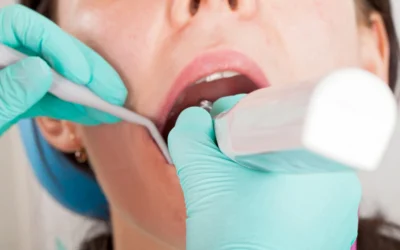
Even with the best snacking strategies, regular pediatric checkups play an essential role in catching problems early. Preventive tools like dental sealants, which act as a protective barrier on the chewing surfaces of molars, can significantly reduce the risk of decay, especially for kids whose diets include frequent snacking.
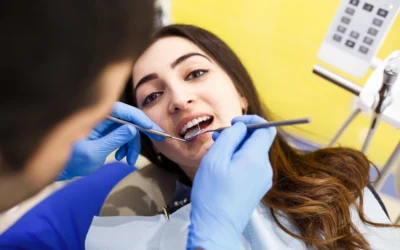
Routine visits also help your dentist spot early signs of tooth decay long before they turn into bigger problems, giving your child’s smile the best possible head start. Pairing these visits with small, consistent changes at home tends to make the biggest difference over time, far more than any single dramatic diet overhaul ever could.

Frequently Asked Questions
Are “healthy” snacks like fruit pouches actually bad for teeth?
They can be. Many are sticky and high in natural sugars that cling to teeth longer than parents expect.
How often should kids snack to protect their teeth?
Sticking to two or three structured snack times, rather than constant grazing, gives teeth a chance to recover between exposures.
Can cavities from snacking be reversed?
Very early-stage decay may sometimes respond to fluoride, but once a cavity has fully formed, professional treatment is needed.
When should my child start seeing a pediatric dentist regularly?
Most dentists recommend checkups every six months starting around their first birthday.

Cavity-Proof Your Child’s Smile with Pediatric Dentistry in Eagle Crest, St. Pete
At Champagne Dental, we know that modern snacking habits aren’t going away, but with the right routine and regular checkups, your child’s smile doesn’t have to suffer for it. Our team is here to help you build a plan that fits your family’s schedule while keeping cavities at bay. Contact us today to schedule your child’s next visit.