Tooth decay often develops gradually, sometimes without noticeable symptoms at first. Even with consistent brushing and flossing, enamel can weaken over time due to daily exposure to acids from food and drinks. Fluoride treatment is one preventive option that helps strengthen enamel and reduce the risk of cavities. For patients seeking added protection through Preventative dentistry at Imperial Courts Building, understanding how fluoride works can make routine care feel more purposeful and reassuring.
How Fluoride Supports Stronger Enamel
Fluoride is a naturally occurring mineral that helps reinforce tooth enamel. Enamel is the outer layer of the tooth, and while it is strong, it is not immune to wear. Daily acid exposure can gradually reduce its strength.
Fluoride works by supporting a process called remineralization. When enamel begins to lose minerals, fluoride helps restore them, making the surface more resistant to future acid attacks. This process helps slow the progression of early decay and supports long-term tooth strength.
How Acid Exposure Affects Teeth
Every time sugar or carbohydrates are consumed, bacteria in the mouth produce acids. These acids interact with enamel, weakening it over time. When this happens repeatedly throughout the day, the enamel does not have enough time to recover.
Fluoride helps counter this process by strengthening enamel and making it more resistant to acid. This balance between acid exposure and remineralization plays a key role in preventing cavities.
Why Enamel Needs Ongoing Support
Enamel does not regenerate once it is lost. Because of this, protecting it early is important. Fluoride helps maintain enamel strength by supporting the natural repair process that occurs in the mouth.
For patients with higher risk factors—such as frequent snacking, dry mouth, or a history of cavities—fluoride can provide additional support beyond daily oral care.
What Happens During a Fluoride Treatment
Fluoride treatment is typically quick and comfortable. It is often done during a routine dental visit as part of preventive care.
Application Process
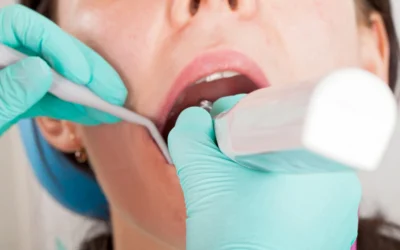
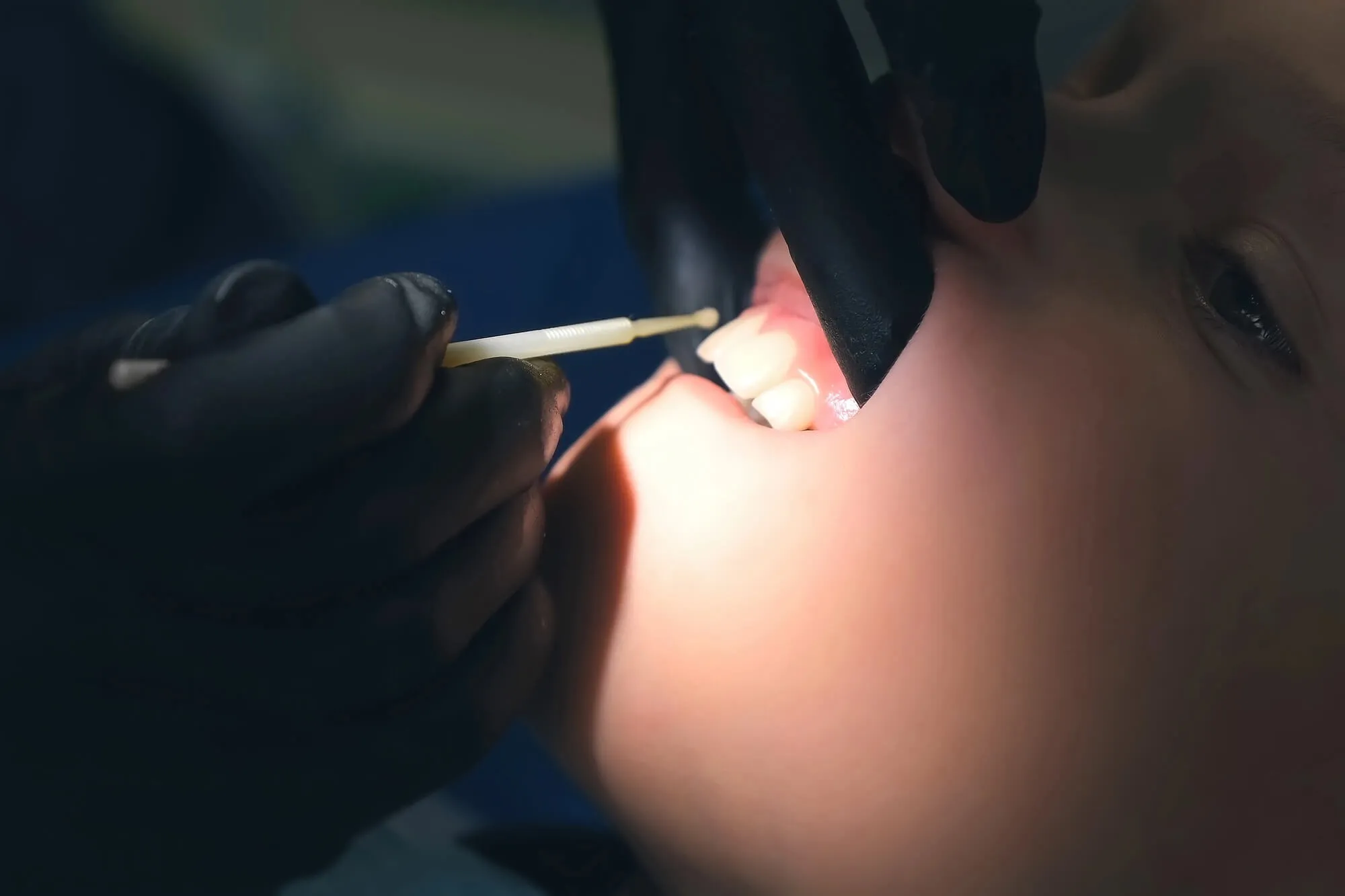
The dentist or hygienist applies fluoride in the form of a gel, foam, or varnish. It is placed directly onto the teeth, where it remains for a short period to allow absorption.
Varnish treatments are commonly used because they adhere to the teeth and continue working after the appointment. The process usually takes only a few minutes.
What the Treatment Feels Like
Fluoride treatment is non-invasive. Most patients feel little to no discomfort. The taste may vary depending on the product used, but it is generally mild.
After application, patients may be asked to avoid eating or drinking for a short time to allow the fluoride to remain on the teeth. This helps maximize its effectiveness.
How Often Is Fluoride Recommended
The frequency of fluoride treatment depends on individual needs. Some patients benefit from treatments every six months, while others may need them more often. Dentists consider factors such as cavity history, enamel strength, diet, and overall oral health when making recommendations.

Who May Benefit from Fluoride Treatment
Fluoride treatment is not limited to children. It can be helpful for patients of all ages, depending on their oral health needs.
Children and Developing Teeth
Children often benefit from fluoride because their teeth are still developing. Strengthening enamel early can help reduce the risk of cavities as they grow.
Regular fluoride treatments also reinforce positive dental habits and provide added protection during years when brushing techniques may still be developing.
Adults With Higher Risk Factors
Adults may benefit from fluoride if they experience:
- Frequent cavities
- Gum recession exposing root surfaces
- Increased sensitivity
In these cases, fluoride helps provide additional protection where enamel may be more vulnerable.
Patients With Dental Restorations
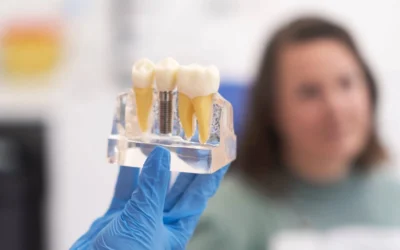
Fluoride can also help protect teeth around existing dental work, such as crowns or fillings. These areas can be more susceptible to decay if plaque accumulates.
Applying fluoride supports enamel strength in these areas and helps maintain long-term oral health.
Fluoride Treatment vs Fluoride Toothpaste
Fluoride toothpaste supports enamel daily by helping strengthen the tooth surface during regular brushing. It provides consistent, low-level exposure that helps protect against everyday acid challenges.
Professional fluoride treatments, on the other hand, contain a higher concentration of fluoride and are applied directly to the teeth in a controlled setting. This allows for deeper enamel reinforcement in less time.
Both options work together rather than replacing each other. Toothpaste supports daily maintenance, while in-office treatments provide an added layer of protection, especially for patients who may be more prone to cavities or enamel weakening.
Fluoride Treatment and Daily Oral Care
Fluoride treatment works best when combined with consistent daily habits. It is not a replacement for brushing or flossing, but an added layer of protection.
Brushing With Fluoride Toothpaste
Using fluoride toothpaste twice daily helps strengthen enamel between dental visits. This helps maintain the protective effects of professional fluoride treatments.
Spitting out excess toothpaste without rinsing immediately allows fluoride to remain on the teeth longer, increasing its effectiveness.
Maintaining Consistent Hygiene Habits
Flossing daily removes plaque from between teeth, where cavities often begin. Drinking water after meals helps rinse away food particles and reduce acid exposure.
Limiting frequent snacking and sugary drinks gives enamel time to recover between acid attacks. Small adjustments in routine can make a noticeable difference over time.
Why Preventive Care Matters Over Time
Preventive care focuses on maintaining oral health before problems develop. Fluoride treatment is one part of this approach, helping reduce the likelihood of more involved dental concerns later.
Consistently taking small steps can support long-term comfort and stability. Understanding how fluoride fits into preventive care helps patients feel more confident in maintaining their oral health.

Supporting Preventative Dentistry at Imperial Courts Building
Fluoride treatment is a simple addition to preventive care that helps strengthen enamel and reduce the risk of cavities. It supports a proactive approach focused on early care and long-term oral health. At Champagne Dental Care, preventive services are guided by clear communication, careful evaluation, and attention to each patient’s needs. Fluoride treatment is one of several ways patients can support healthier teeth with consistent care.
If you are considering ways to protect your enamel or reduce your cavity risk, scheduling a visit can provide tailored guidance. With steady habits and preventive care, maintaining strong, healthy teeth can feel straightforward and manageable.