Teeth that once felt strong and predictable can begin to feel different over time. Sensitivity may appear, gums may shift, or dryness may become more noticeable throughout the day. These changes often happen gradually, which can make them easy to overlook. Many older adults wonder whether these shifts are normal or something that needs attention. If you begin noticing any of these changes, it may be time to consider senior dental care near Morningside/Meadows to better understand what your smile needs.
How Oral Health Naturally Changes With Age
Aging affects many parts of the body, including the teeth, gums, and supporting structures. These changes do not always indicate a problem, but they do require awareness and adjustments in care.
Enamel Wear Becomes More Noticeable
Enamel protects the outer surface of teeth, yet it gradually wears down over time. Years of chewing, brushing, and exposure to acidic foods and drinks can slowly thin this protective layer. As enamel becomes thinner, teeth may appear slightly darker or more translucent because the underlying dentin becomes more visible. This is a natural change that often develops gradually, making it easy to overlook at first.
As enamel wears, teeth may also become more sensitive, especially when exposed to hot, cold, or sweet foods. This sensitivity can vary from mild to more noticeable depending on the extent of wear. While enamel does not regenerate, consistent care—such as using fluoride toothpaste, avoiding aggressive brushing, and limiting acidic foods—can help preserve its strength and reduce further wear.
Gum Recession Can Expose Tooth Roots
Gums may slowly recede as part of the aging process. This can expose the roots of teeth, which are not protected by enamel and are more vulnerable to sensitivity and decay. Even small changes in gum position can make teeth feel different when brushing or eating.
Exposed roots may react more strongly to temperature changes or certain foods.
Gentle brushing techniques and regular dental visits can help protect these areas. Dentists may also recommend products designed to reduce sensitivity and support gum health.
Dry Mouth Becomes More Common
Many older adults notice a decrease in saliva production. This can be related to medications, health conditions, or natural changes in the body. Saliva helps wash away food particles, neutralize acids, and support a balanced environment in the mouth.
When saliva levels drop, the risk of cavities may increase, and the mouth may feel dry or uncomfortable. Drinking water regularly and discussing symptoms with a dentist can help manage dryness and maintain oral comfort.
Tooth Sensitivity May Increase
Sensitivity often develops as enamel wears or gums recede. Teeth may respond more strongly to temperature changes, brushing, or certain foods. This can feel like a brief sharp sensation or a lingering discomfort.
While sensitivity does not always indicate a serious concern, it should be evaluated if it becomes frequent or persistent. Dentists can recommend approaches to reduce discomfort and help protect exposed areas.
Changes in Bite and Tooth Alignment
Teeth can shift slightly over time, especially if there has been past tooth loss, wear, or changes in jaw structure. These small movements may affect how teeth come together when biting.
Even subtle changes in alignment can influence chewing comfort and lead to uneven wear across certain teeth. Regular dental checkups allow these changes to be monitored early, helping maintain balance and comfort in the bite over time.
How Daily Habits Affect Aging Teeth
Daily routines continue to shape oral health at every age. Small adjustments can help protect teeth and gums as they become more sensitive to change.
Brushing Technique Matters More Over Time
Aggressive brushing can wear enamel and irritate gums. A softer approach becomes more important as teeth and gums become more delicate. Using a soft-bristled toothbrush and gentle motion helps clean effectively without causing additional wear.
Diet Choices Continue to Influence Oral Health
Frequent exposure to sugary or acidic foods can affect enamel more noticeably over time. Teeth may not recover as quickly as they once did.
Choosing balanced meals and limiting constant snacking helps reduce acid exposure and support healthier teeth.
Hydration Supports Oral Comfort
Water helps maintain saliva levels and supports natural cleaning in the mouth. Drinking water regularly can help reduce dryness and improve comfort. This becomes especially important for those experiencing dry mouth throughout the day.
Why Preventive Care Becomes More Important
Preventive care helps identify small changes before they develop into more complex concerns. This approach becomes increasingly valuable as oral health needs evolve.
Routine Exams Help Track Subtle Changes
Dentists monitor enamel wear, gum position, and early signs of decay during regular visits. These changes are often difficult to notice without a professional exam.
Tracking these patterns over time allows for early guidance and care that supports long-term oral health.
Professional Cleanings Support Gum Health
Plaque and tartar buildup can contribute to gum irritation. Cleanings remove buildup in areas that brushing may miss.
Healthy gums provide a stable foundation for teeth, which becomes more important as natural changes occur.
Early Care Helps Maintain Comfort
Addressing concerns early can help maintain comfort during everyday activities such as eating and speaking. Small adjustments in care often prevent more noticeable issues later.
This steady approach supports confidence and ease in daily life.
How Oral Health Connects to Overall Well-Being
Oral health is closely linked to overall comfort and quality of life. Changes in the mouth can influence how easily a person eats, speaks, and maintains daily routines.
Eating and Nutrition
Healthy teeth and gums support proper chewing. This allows for a wider range of food choices and supports balanced nutrition.
When oral discomfort is present, people may avoid certain foods, which can affect overall health.
Speech and Confidence
Teeth play a role in speech clarity. Changes in alignment or missing teeth may affect pronunciation. Maintaining oral health supports clear communication and confidence in social settings.
Daily Comfort
Oral discomfort, even if mild, can affect daily routines. Preventive care helps reduce these disruptions and supports a more comfortable experience.
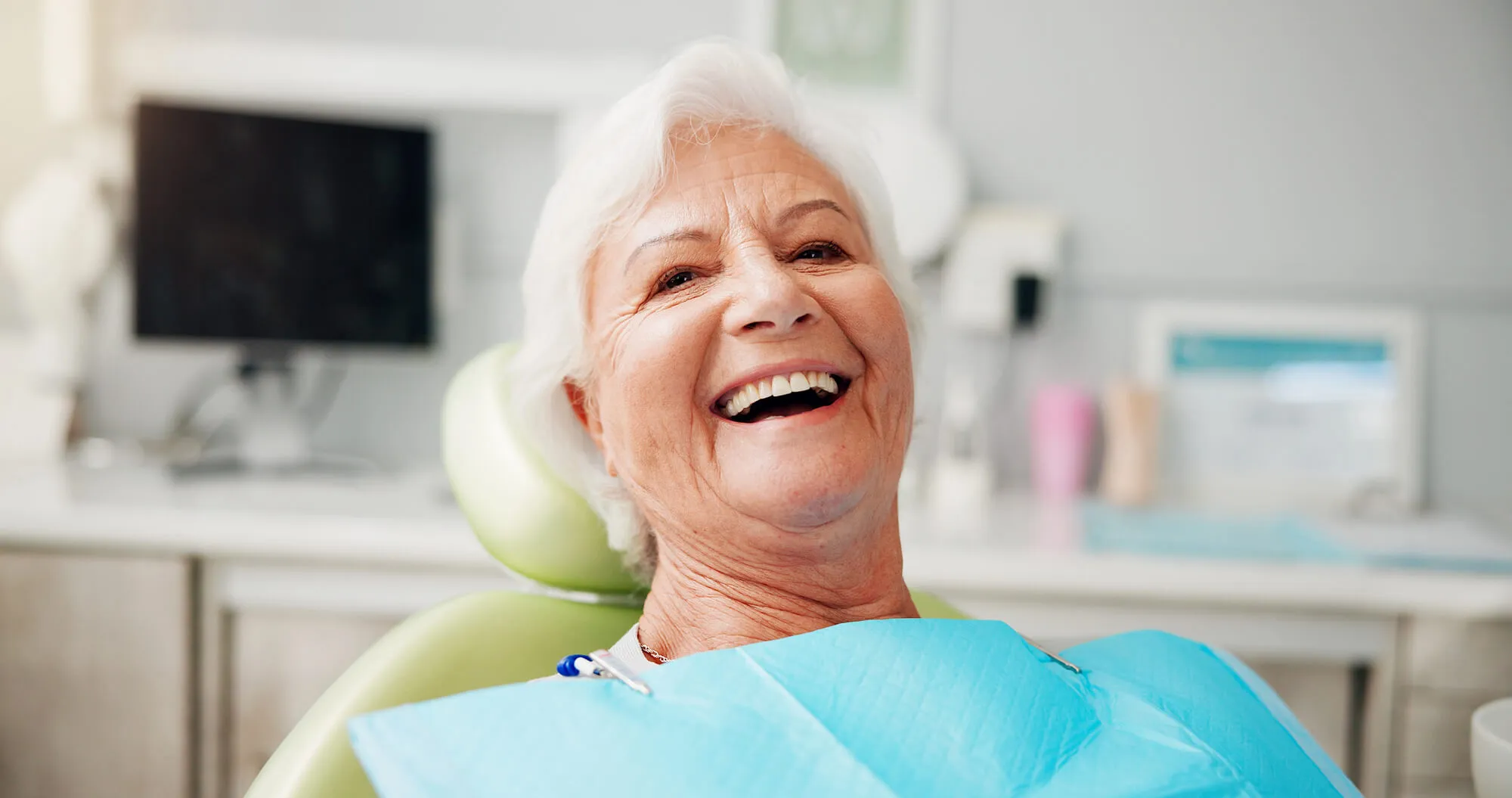
Supporting Senior Dental Care Near Morningside/Meadows
Oral health changes are a natural part of aging, but they do not have to disrupt daily comfort or confidence. With the right care and guidance, these changes can be managed in a way that supports long-term stability.
At Champagne Dental Care, senior dental care focuses on comfort, clarity, and consistent support. Each visit is designed to address individual needs while helping patients maintain healthy teeth and gums over time.
If you are noticing changes in your oral health or would like guidance tailored to your needs, scheduling a visit for senior dental care near Morningside/Meadows can provide helpful direction. With attentive care and a preventive approach, maintaining a healthy smile can remain simple and reassuring at every stage of life.