Tooth decay rarely happens overnight. It develops gradually, often without obvious warning signs at first. Many assume they would feel pain as soon as a cavity forms, yet early decay can progress quietly beneath the surface. By the time discomfort appears, damage may already be more advanced.
Understanding how tooth decay develops over time can help you recognize early changes, take routine care seriously, and know when to schedule an exam through general dentistry in Clearwater, FL, before concerns become more involved.

How Tooth Decay Begins Beneath the Surface
Tooth decay starts with bacteria that live naturally in the mouth. These bacteria feed on sugars and carbohydrates in food and drinks, producing acids as byproducts. Over time, those acids interact with the tooth surface, setting the stage for gradual breakdown.
The Role of Plaque in Early Decay
Plaque is a sticky film that forms on teeth throughout the day. It tends to gather most easily along the gumline and between teeth, where brushing may be less effective. When plaque remains on the tooth surface, acids stay in contact with enamel longer, increasing the risk of damage.
At this stage, decay is often invisible to the naked eye. Teeth may appear healthy, even though minerals are slowly being lost from the enamel. This early phase is one reason regular dental visits remain important, even when teeth feel fine.
Enamel Weakening Happens First
Enamel is the hard outer layer that protects each tooth. Although strong, it is not immune to acid exposure. Repeated acid attacks can weaken enamel over time, causing microscopic changes that reduce its protective function.
Early enamel damage may show up as faint white spots on the tooth surface. These areas signal mineral loss, though they often go unnoticed without a professional exam. With supportive care and improved hygiene habits, this stage may be managed before a cavity forms.
How Cavities Form Over Time
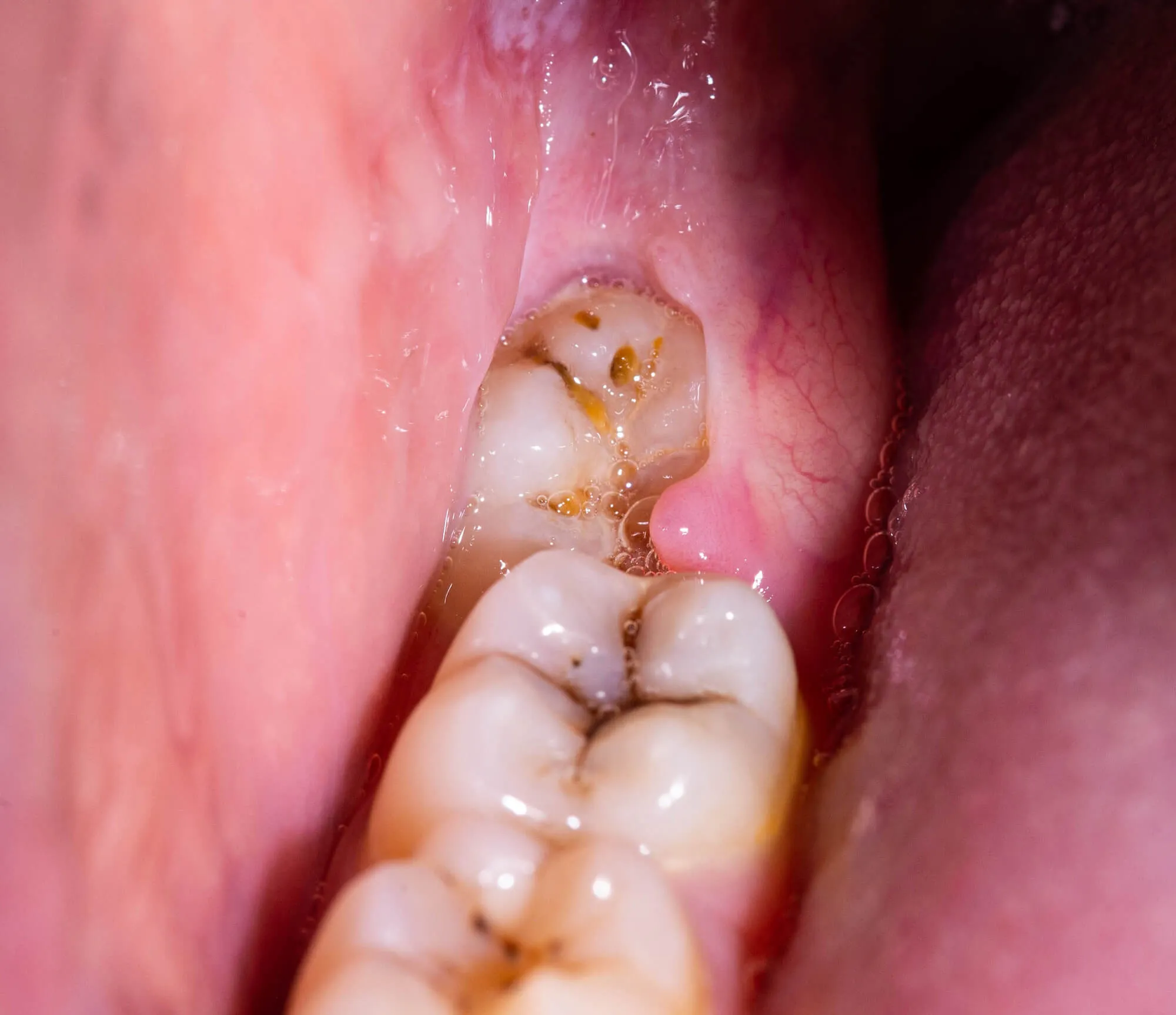
If enamel continues to weaken, bacteria can move deeper into the tooth. Once decay penetrates the enamel, a cavity forms. At this point, the damage cannot repair itself.
Cavities may still be painless in their early stages, which can create a false sense of reassurance. Because nerve tissue has not yet been affected, people may not feel discomfort until decay reaches deeper layers.

Progression Into the Inner Tooth
Beneath the enamel lies dentin, a softer layer that protects the inner pulp. Dentin is more vulnerable to decay, so damage can spread more quickly once bacteria reach this level.
As decay advances through dentin, sensitivity may develop. Teeth might respond to temperature changes or pressure during chewing. These signals often prompt people to seek dental care, though the decay process has usually been active for some time by then.
Why Pain Is Not an Early Indicator
One common misconception is that decay always causes pain right away. In reality, pain typically appears later, once bacteria approach the nerve tissue inside the tooth.
This delay explains why routine check-ups matter. Dentists can identify decay before symptoms arise, which often allows for simpler care options and better long-term outcomes.
How Gums Influence Tooth Decay
Gum health plays a role in how decay develops. Receding gums can expose tooth roots, which lack the protective enamel layer found on the crown of the tooth. These exposed areas are more susceptible to decay.
Plaque buildup near the gumline can also increase inflammation, making it harder to keep teeth clean. Over time, this environment supports continued bacterial activity and progression of decay.
Daily Habits That Affect Decay Progression
Diet, oral hygiene, and routine all influence how quickly tooth decay develops. Frequent snacking, sipping sugary or acidic drinks, and inconsistent brushing allow plaque to remain active longer.
Even small daily habits can add up. Brushing twice daily, cleaning between teeth, and drinking water after meals help limit acid exposure and reduce bacterial activity.
Why Decay Often Goes Unnoticed
Tooth decay often develops slowly, and the mouth adapts well to gradual change. Sensitivity may come and go, or it may feel mild enough to ignore. Some people assume the issue is temporary, tied to cold drinks, sweet foods, or brushing a little too hard. In early stages, decay may not cause pain at all, especially if it stays limited to the enamel.
Since daily routines feel normal, it’s easy to overlook subtle warning signs. For this reason, early decay is often found during routine dental exams rather than through discomfort, reinforcing the value of preventive care.
How Dentists Detect Early Changes
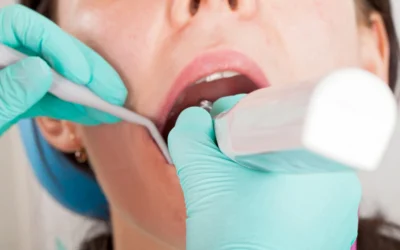
Dentists detect early tooth decay by combining a careful clinical exam with diagnostic tools that reveal changes beneath the surface. During a visual exam, they look for subtle signs such as faint white spots, changes in surface texture, or areas that appear duller than healthy enamel. Gentle probing helps assess the tooth’s surface and identify softened areas or small breaks that may indicate early cavities.
Dental X-rays are often used to spot decay between teeth or under existing fillings—areas that can’t be seen during a standard exam. In some cases, dentists may also evaluate the gumline and check for plaque buildup patterns that increase the risk of cavities. Detecting these early changes allows dentists to recommend timely, conservative care that protects more natural tooth structure.
The Long-Term Impact of Ongoing Decay
If decay continues without care, bacteria may reach the pulp, where nerves and blood vessels reside. At this point, discomfort often increases, and treatment becomes more involved.
Advanced decay can affect surrounding teeth and overall oral balance. Addressing concerns earlier helps maintain comfort, function, and stability over time.
Prevention Through Consistent Care
Preventing tooth decay relies on consistency rather than perfection. Regular dental visits, daily hygiene, and mindful eating patterns all contribute to healthier teeth.
General dentistry focuses on prevention, education, and early intervention. These elements work together to reduce the likelihood that decay will progress unnoticed.

Supporting Tooth Health Through General Dentistry in Clearwater, FL
Understanding how tooth decay develops over time highlights the value of early care and steady habits. Through general dentistry, patients receive guidance focused on prevention, early detection, and long-term oral health.
At Champagne Dental Care, the approach to general dentistry centers on clear communication, comfort, and respect for each patient’s needs. The goal is to support oral health through thoughtful care that fits into everyday life.
If you would like to learn more about protecting your teeth or maintaining a healthy routine, scheduling a consultation with Champagne Dental Care can provide clarity and reassurance. With regular care and attentive guidance, tooth decay can be managed early, supporting a healthier smile well into the future.