A small chip, uneven spacing, or stains that don’t respond to whitening can make anyone hesitate before smiling. Veneers are often suggested for these concerns, yet the process can feel unclear at first. How many visits are needed? Will the results look natural? How do veneers hold up over time?
Learning what happens before, during, and after treatment helps set realistic expectations. For those considering veneers through cosmetic dentistry in Clearwater, FL, knowing each step in advance can make the experience feel calmer and more predictable.

What Happens Before Getting Veneers
Preparation begins with a thoughtful evaluation. Veneers are not chosen automatically. Dentists look at oral health, bite alignment, and aesthetic goals to determine whether veneers are appropriate.
A Detailed Consultation
During the consultation, your dentist reviews your dental history, examines your teeth, and discusses what you would like to improve. Photos or digital scans may be taken to evaluate spacing, shape, and color. This step helps the dentist design veneers that look balanced with surrounding teeth.
Questions about durability, timing, and care are addressed during this visit. Patients often find this conversation reassuring because it clarifies what veneers can improve and what other options may also help.
Preparing the Teeth
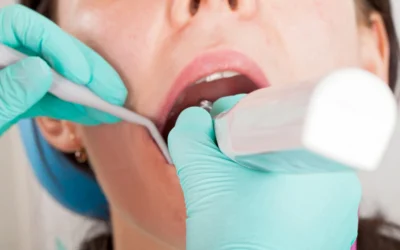
If veneers are recommended, the next step is preparing the tooth surface. A small amount of enamel is gently reshaped to allow the veneer to sit naturally. This preparation helps the veneer fit comfortably without feeling bulky.
Impressions or digital scans are then used to design veneers that match natural tooth color and contour. Temporary veneers may be placed while the final restorations are crafted. These allow patients to preview the shape and feel.
Designing the Right Appearance
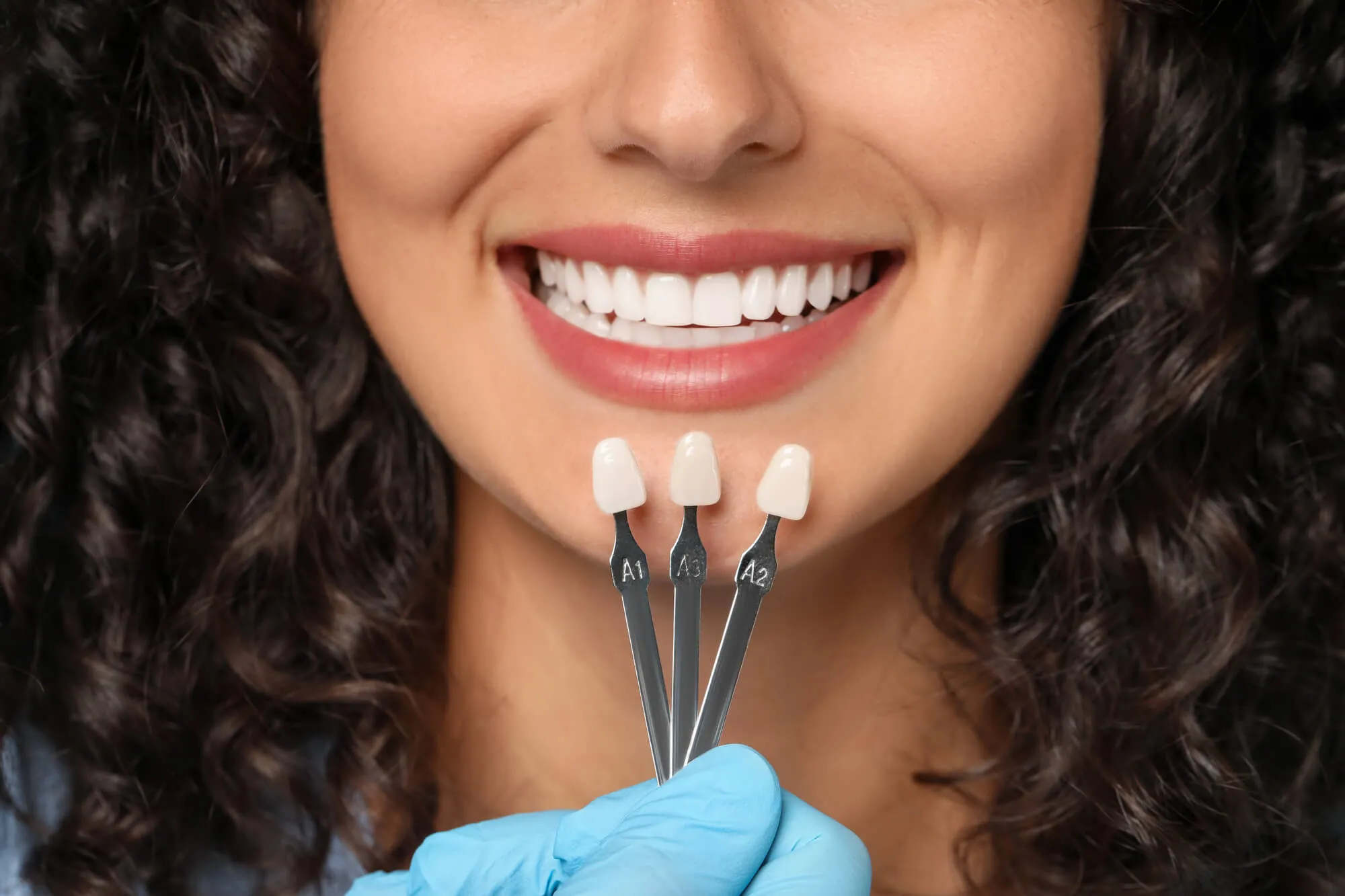
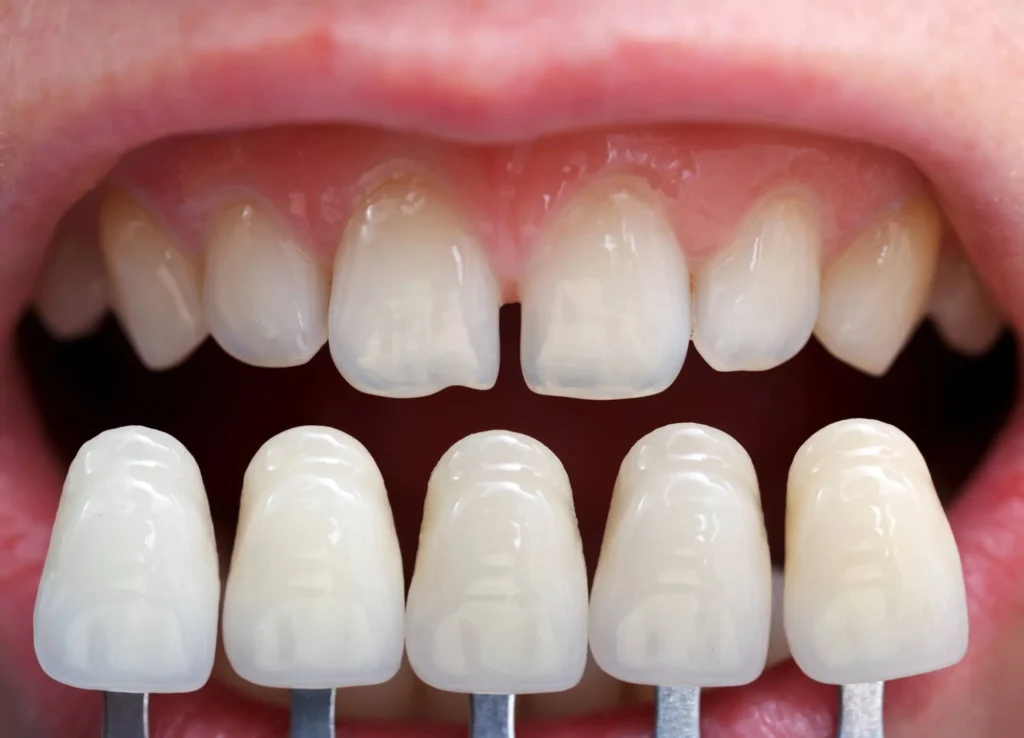
Dentists carefully match the color of veneers to the surrounding teeth. Small details matter, such as edge shape and surface texture. These adjustments help veneers look natural in everyday lighting.
Patients may review shade options or provide feedback before the final veneers are created. This collaboration helps align expectations and results.
What Happens During Veneer Placement
Once veneers are ready, placement is usually completed in a single visit. The process is precise but comfortable.
Checking Fit and Comfort
The dentist first places each veneer temporarily to evaluate fit and appearance. Bite alignment is checked, and adjustments are made if needed. This step ensures that veneers feel natural while speaking and chewing.
Patients often appreciate seeing the veneers in place before they are bonded permanently.
Bonding the Veneers
After confirming fit, the tooth surface is cleaned and prepared for bonding. A dental adhesive secures the veneer in place. The material is hardened using a special light, creating a strong bond between the veneer and tooth.
Once bonded, the dentist smooths the edges and polishes the surface. Final adjustments help ensure comfort and a balanced bite.
What the Appointment Feels Like
Veneer placement is generally comfortable. Patients may feel mild pressure during preparation or bonding, similar to the sensation of receiving a filling. Local anesthesia can be used if sensitivity is expected.
Most appointments take a few hours, depending on the number of veneers. After placement, teeth may feel slightly different at first, though this sensation usually fades quickly as the mouth adapts.
What Happens After Getting Veneers
Aftercare helps maintain the veneer’s appearance and function. Veneers are durable, though they benefit from consistent care.
Adjusting to Your Veneers
It may take a few days to adjust to the feel of veneers. Speaking and chewing typically return to normal quickly. If the bite feels uneven, a short follow-up visit allows the dentist to make small adjustments.
Patients often notice that veneers feel natural after a brief adjustment period.
Daily Care for Veneers
Veneers require the same hygiene habits as natural teeth. Brushing twice daily, flossing carefully, and attending regular dental visits help maintain gum health and the appearance of veneers.
Avoid biting hard objects such as ice or pens, which can damage both veneers and natural teeth. These habits support long-term durability.
How Long Do Veneers Last
Porcelain veneers are designed to be durable. With consistent care, they often last many years. Regular exams allow the dentist to monitor the condition of the veneer and address minor concerns early.
Because veneers cover the front surface of teeth, maintaining gum health is especially important. Healthy gums help veneers look natural over time.
When Veneers May Not Be Recommended
Veneers are not suitable for every situation. Active gum disease, areas of decay, or severe bite problems often need attention first because these conditions can affect how well veneers function over time. For example, inflamed gums may recede, exposing the edges of veneers and altering their appearance.
Decay beneath a veneer can weaken the tooth structure and lead to discomfort later. Bite imbalance or grinding can place extra pressure on veneers, increasing the chance of chipping or loosening.
Dentists also review enamel thickness before recommending veneers. Since veneers bond to enamel, teeth with very little enamel may not provide a stable surface for bonding. Addressing these concerns first creates a healthier foundation for cosmetic care. Careful planning protects oral health, supports comfort, and allows veneers to look natural and last longer.
How Veneers Fit into Cosmetic Dentistry
Veneers are one option within cosmetic dentistry, often used alongside whitening, orthodontic care, or bonding to create balanced, natural-looking results. Dentists look at the full picture before recommending treatment, including tooth alignment, gum shape, and overall facial symmetry. This careful evaluation helps determine whether veneers alone will achieve the desired look or whether other steps should come first.
By planning treatment in this way, veneers enhance your smile without appearing artificial. The goal is harmony—teeth that look healthy, proportionate, and consistent with your natural features.

Considering Cosmetic Dentistry in Clearwater, FL?
Choosing veneers is easier when the process feels clear. Understanding what happens before, during, and after treatment helps reduce uncertainty and allows patients to plan comfortably.
At Champagne Dental Care, cosmetic dentistry is guided by thoughtful planning, clear communication, and respect for each patient’s goals. Veneers are designed to look natural, feel comfortable, and support long-term oral health.
If you are considering veneers, scheduling a consultation with Champagne Dental Care can help you learn which options best fit your smile. With attentive care and a calm approach, improving your smile can feel straightforward and reassuring.