Few dental procedures come with as much emotional weight as root canal therapy. The phrase alone can trigger anxiety, often shaped by outdated stories or second-hand experiences. Pain, long appointments, and difficult recovery are frequently assumed before any facts are considered. In reality, root canal therapy in Eagle Crest, St. Petersburg, today looks very different from its past reputation. Advances in technique, careful planning, and patient-centered care have changed how treatment feels, making it far more manageable than most people expect.
What Root Canal Therapy Looks Like Today
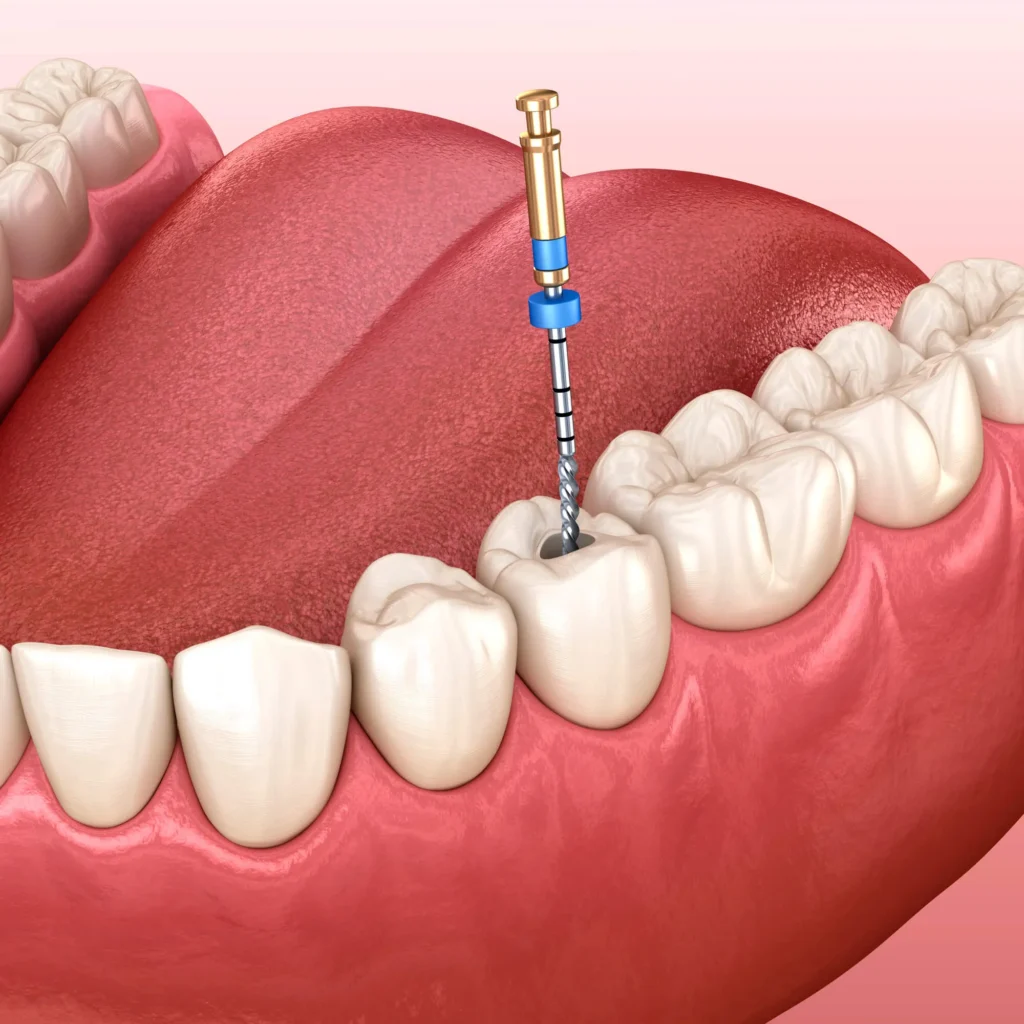
Root canal therapy is designed to relieve discomfort caused by infection or inflammation inside a tooth. The goal is to preserve the tooth’s natural structure while removing the source of irritation. Modern dental methods allow this to be done in a controlled, precise way that prioritizes comfort throughout the process.
A Focus on Comfort From the Start
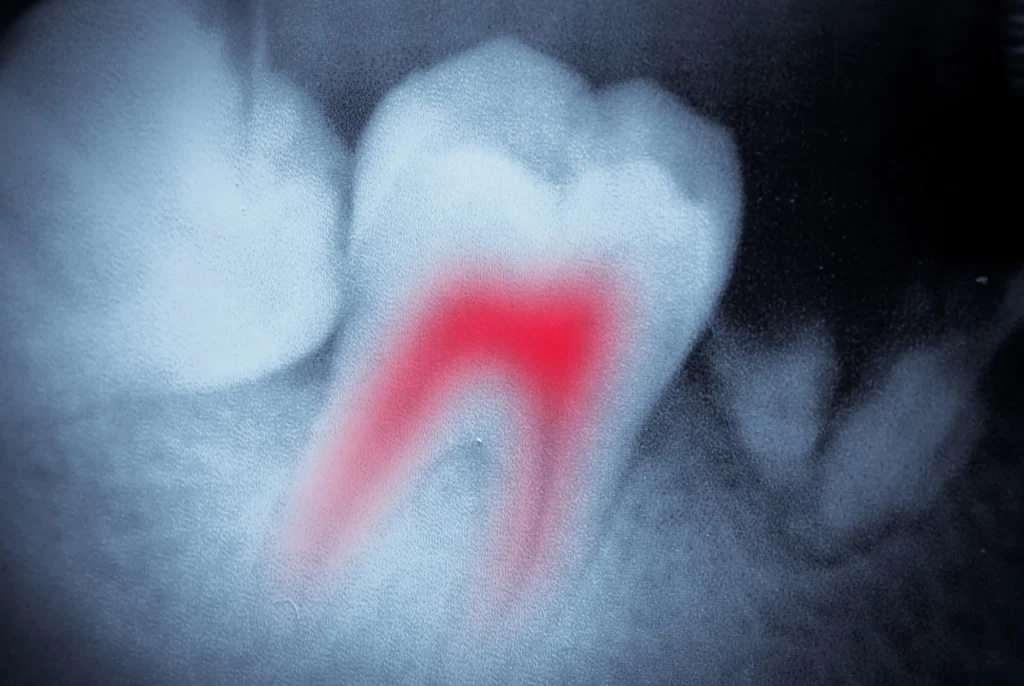
Comfort begins before treatment even starts. Dentists take time to assess the affected tooth, review symptoms, and evaluate overall oral health. Imaging is used to understand the internal structure of the tooth and surrounding bone, allowing treatment to be carefully planned rather than rushed.
Local anesthesia is used to numb the area thoroughly. Once numb, most pain-related sensations are reduced or eliminated. Because the discomfort people feel beforehand is often caused by an infection or pressure inside the tooth, addressing the source often provides relief rather than adding to it. This shift surprises patients who expect the procedure itself to be the most uncomfortable part.
Modern Tools Improve Precision and Efficiency
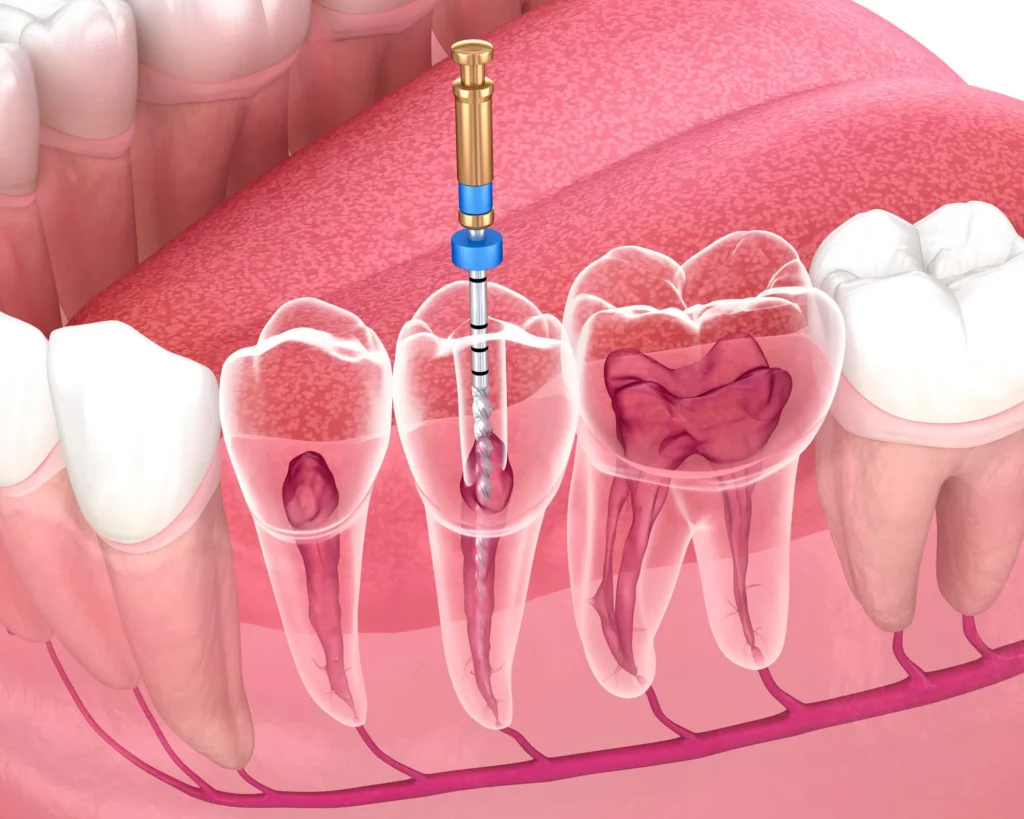
Root canal therapy now relies on refined instruments and detailed imaging to accurately clean the tooth’s inner canals. These tools help dentists work efficiently while preserving healthy surrounding tissue.
Improved precision means less irritation to the tooth and surrounding area. It also helps shorten appointment time by focusing care only where it is needed. This controlled approach supports a calmer experience and reduces the physical strain often associated with older techniques.
Why the Procedure Feels Different Than Expected
The discomfort associated with root canal therapy usually comes from infection within the tooth, not from the treatment itself. Once anesthesia takes effect and the inflamed tissue is removed, pressure eases instead of increasing. Many patients are surprised to notice this change early in the appointment.
During the procedure, sensations are usually limited to light vibration or gentle movement as the tooth is cleaned and prepared. Sharp pain is uncommon once the area is fully numbed. The experience is often compared to receiving a filling, both in sensation and duration, which contrasts sharply with expectations formed before treatment.
Addressing Fear and Expectations Around Root Canal Therapy
Fear often grows when details are unclear. Root canal therapy gained its reputation decades ago, when techniques and pain control options were far more limited. Those earlier experiences still influence perceptions, even though modern dentistry has reshaped how treatment is delivered.
Addressing the Fear of Pain Honestly
Older methods contributed to stories that still circulate today. Modern care, however, emphasizes comfort, communication, and responsiveness. Dentists monitor how patients feel throughout the appointment and adjust care as needed.
Knowing that comfort is actively managed helps reduce anxiety. When patients understand what sensations to expect and how discomfort is prevented, fear often becomes easier to manage. Clear explanations replace uncertainty, which plays a major role in how treatment is experienced.
How Anxiety Is Addressed During Treatment
Dental anxiety is recognized and respected. Dentists understand that fear can influence perception, so communication remains central throughout care. Each step is explained in advance, which helps patients feel more in control.
This approach builds trust and reduces tension. When patients feel informed and supported, they are more likely to remain relaxed during treatment, resulting in a smoother, less intense experience overall.
What Patients Often Experience During and After Treatment
Root canal therapy is frequently assumed to involve lengthy appointments and extended downtime. In practice, the experience is often more straightforward.
Appointments Are Often More Straightforward Than Expected
While some cases require more than one visit, many root canal treatments are completed efficiently without prolonged chair time. Careful planning allows dentists to focus on what needs attention while avoiding unnecessary steps.
This streamlined approach helps patients feel more at ease with scheduling treatment. Knowing that appointments are manageable can reduce hesitation and make the decision to proceed feel less overwhelming.
Recovery Is Usually Manageable
After root canal therapy, mild tenderness is common as the surrounding tissue settles. This discomfort is often less intense than the pain that prompted treatment. Most patients return to their daily routines shortly after the procedure.
Dentists provide clear aftercare guidance to support healing and comfort. This clarity helps reduce uncertainty during recovery and reassures patients about what sensations are normal as healing progresses.
Why Timing and Tooth Preservation Matter
Root canal therapy is often recommended not only to relieve discomfort but also to protect long-term oral health.
Why Delaying Treatment Often Feels Worse
Postponing root canal therapy due to fear can allow discomfort to build over time. Infection inside a tooth does not resolve on its own. As bacteria continue to affect the inner tissue, pressure can increase, sensitivity may spread, and everyday activities like chewing or drinking can become uncomfortable.
Early care often keeps treatment more straightforward. Addressing infection sooner can reduce inflammation, supporting a calmer procedure and a smoother recovery. This connection helps explain why timely care is often perceived as less intense than expected.
Preserving the Natural Tooth Matters
One of the primary benefits of root canal therapy is preserving the natural tooth. Keeping the tooth helps maintain normal biting function and supports jaw alignment.
By removing the source of infection while maintaining the tooth’s structure, root canal therapy promotes long-term stability. This conservative approach is a key reason the procedure remains widely recommended.
How Root Canal Therapy Fits into Restorative Care
Root canal therapy is often followed by a crown or restoration to protect the treated tooth. This step restores strength and appearance while supporting long-term function.
The combination of internal treatment and external restoration allows the tooth to continue functioning comfortably. Together, these steps help maintain oral balance and reduce the likelihood of future complications.
Considering Root Canal Therapy in Eagle Crest, St. Petersburg?
Patients often feel more comfortable when they know what to expect. Clear explanations, gentle technique, and a calm environment all influence how treatment is experienced. Modern dental care emphasizes these elements, which have changed how root canal therapy feels today.
At Champagne Dental Care, root canal therapy is approached with care, clarity, and respect for patient comfort. Treatment is planned thoughtfully, and communication remains central at every stage. If concerns or questions arise, the focus stays on providing reassurance and support.
If you have been feeling uneasy about root canal therapy, a consultation with our team at Champagne Dental Care can help clarify the process and set realistic expectations. The goal is simple: address dental concerns in a way that feels calm, controlled, and supportive, so relief feels closer than fear.